Concierge Corporate Catering is now here.
- Monday
- Closed
- Tue - Sat
- -
- Sunday
- -
85 Deer Park Ave
Babylon Village, NY
11702
Introducing...
Quick Catering
No Guess Work. Right-Sized Catering Fast.
Do you have an event or group-gathering coming up? We've got you covered with our new
Quick Catering
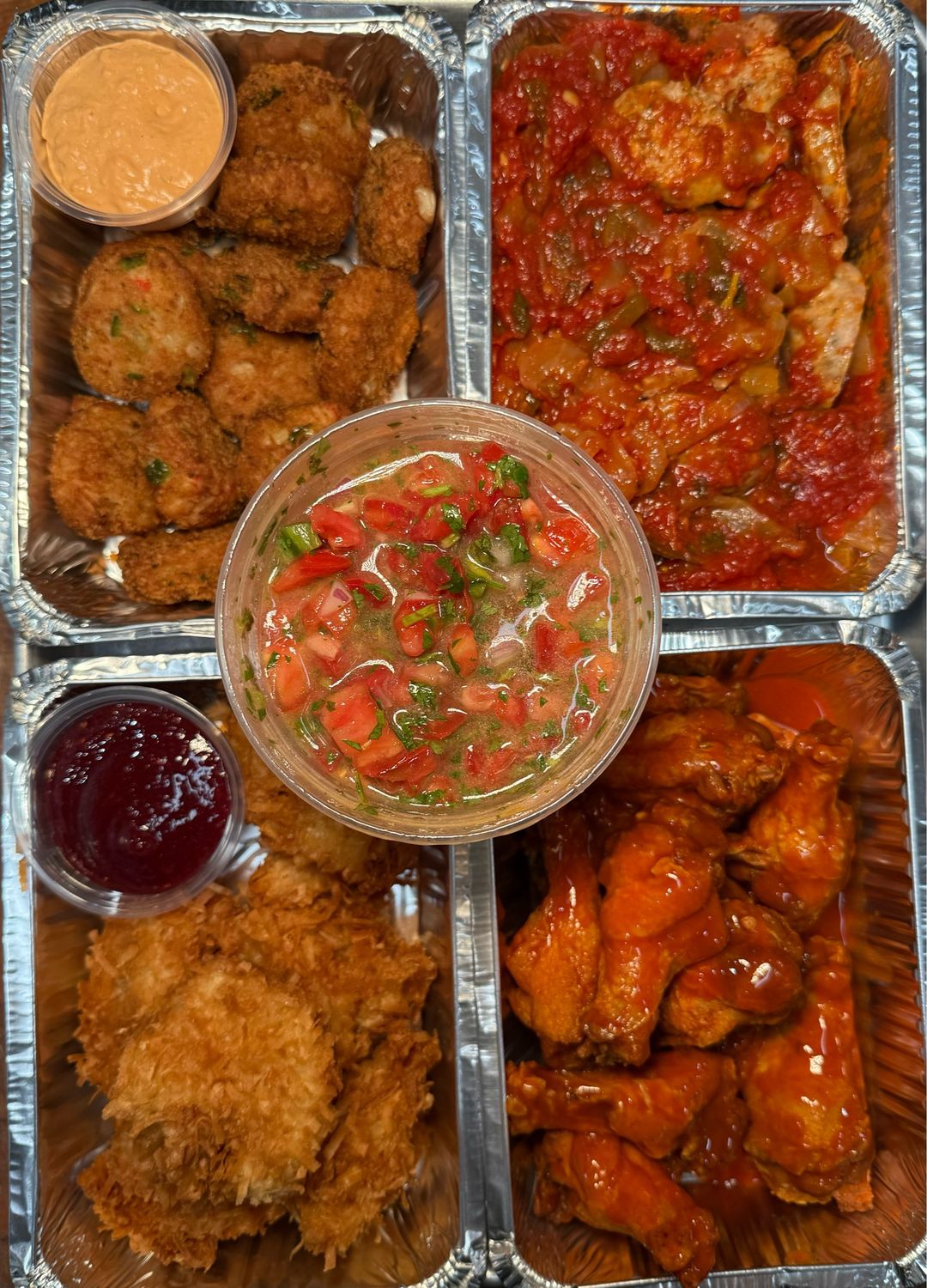
menu. All packages are broken down according to the number of people you need to serve. From 25 - 100, no more guess work.



Weekly Specials
All Your Favorites Ready for Pick Up
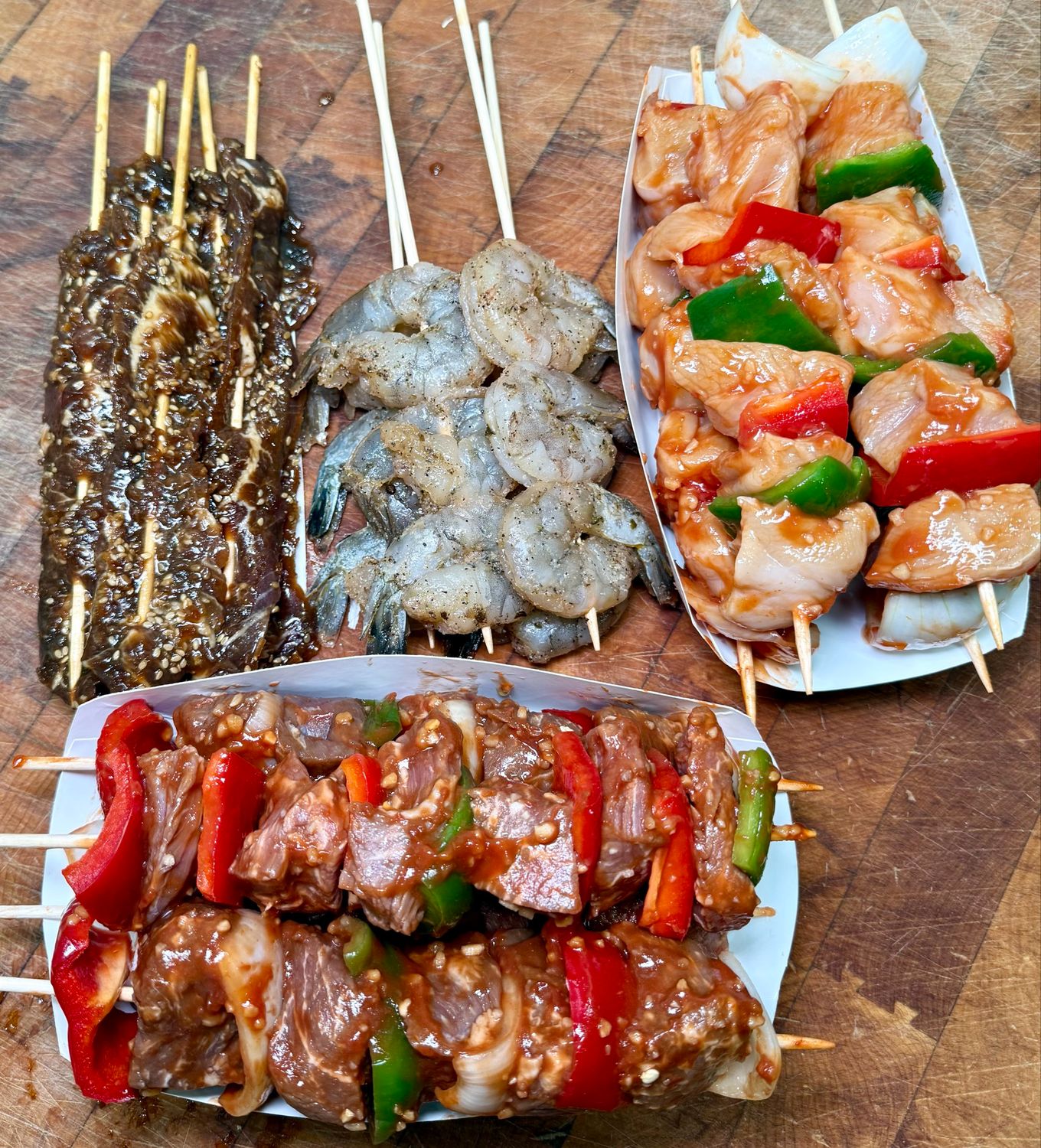
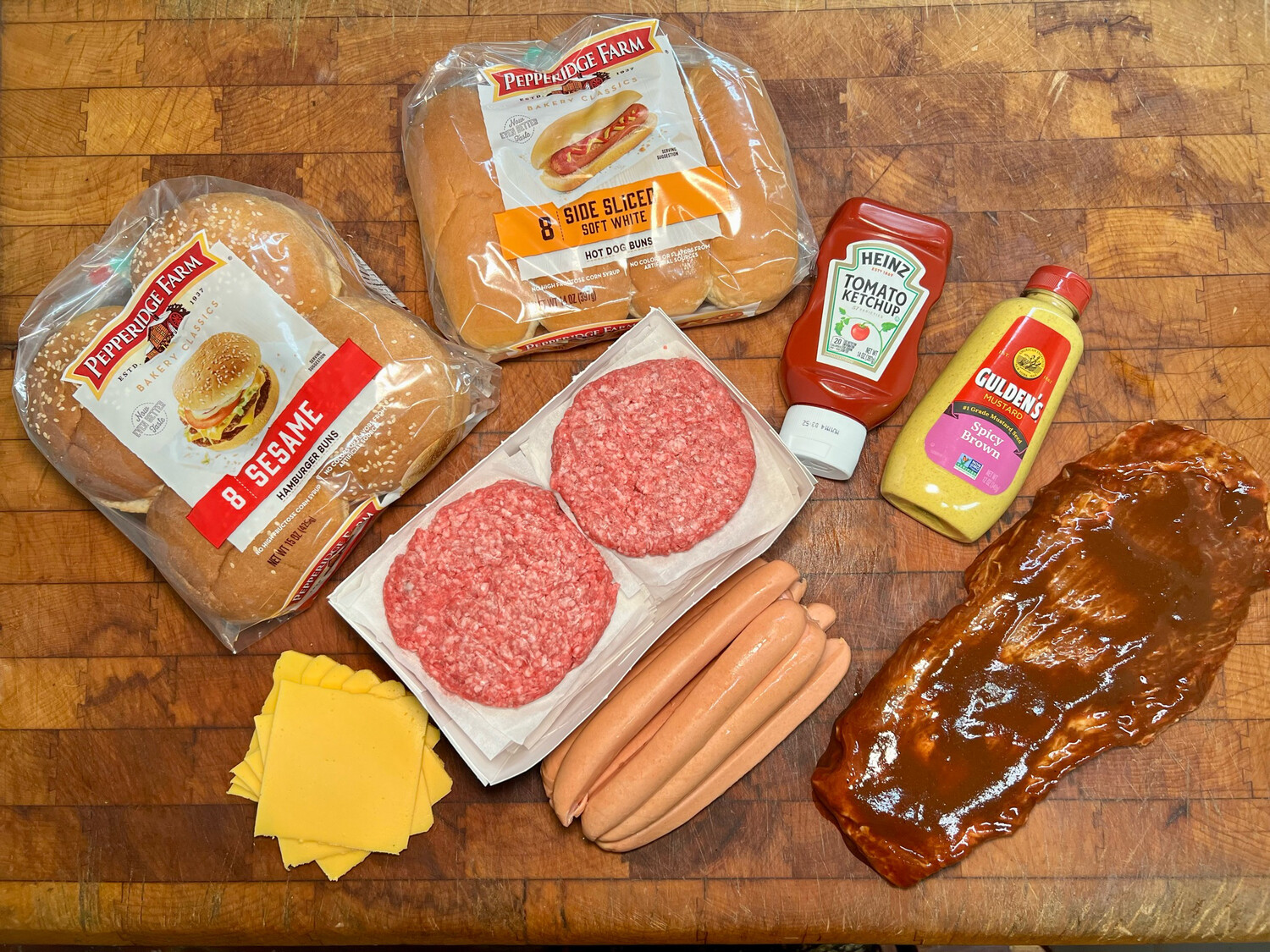
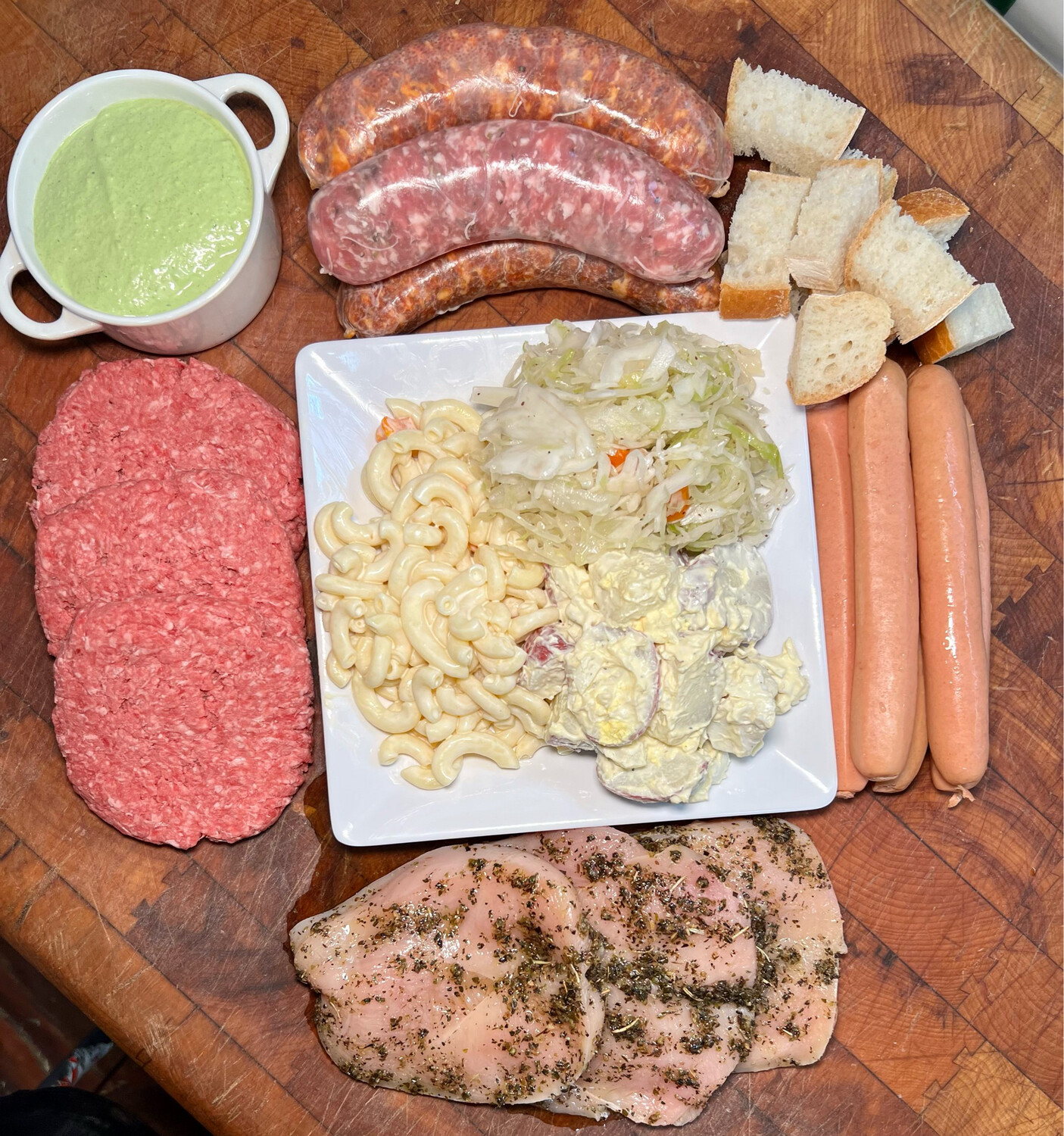
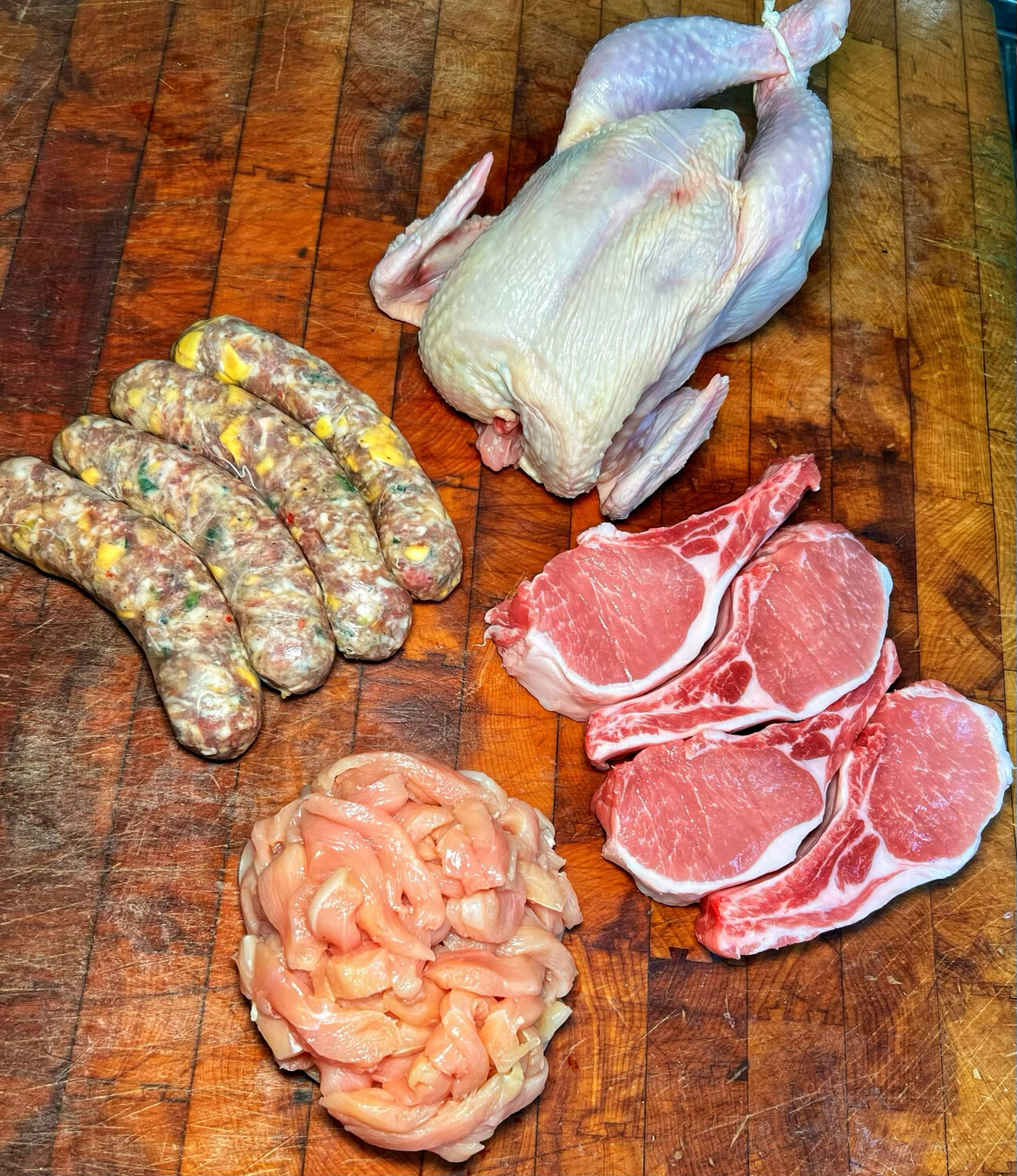
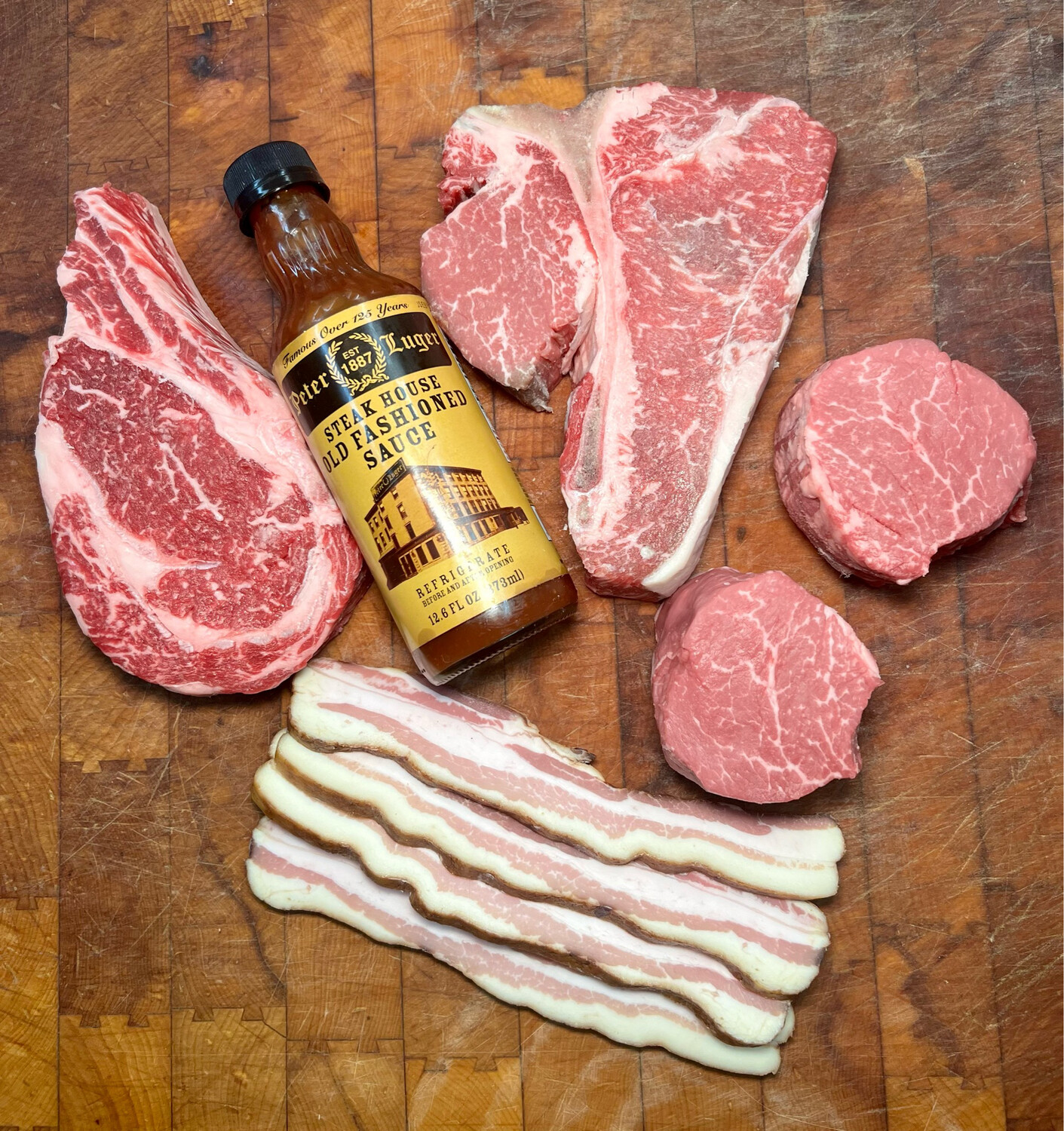
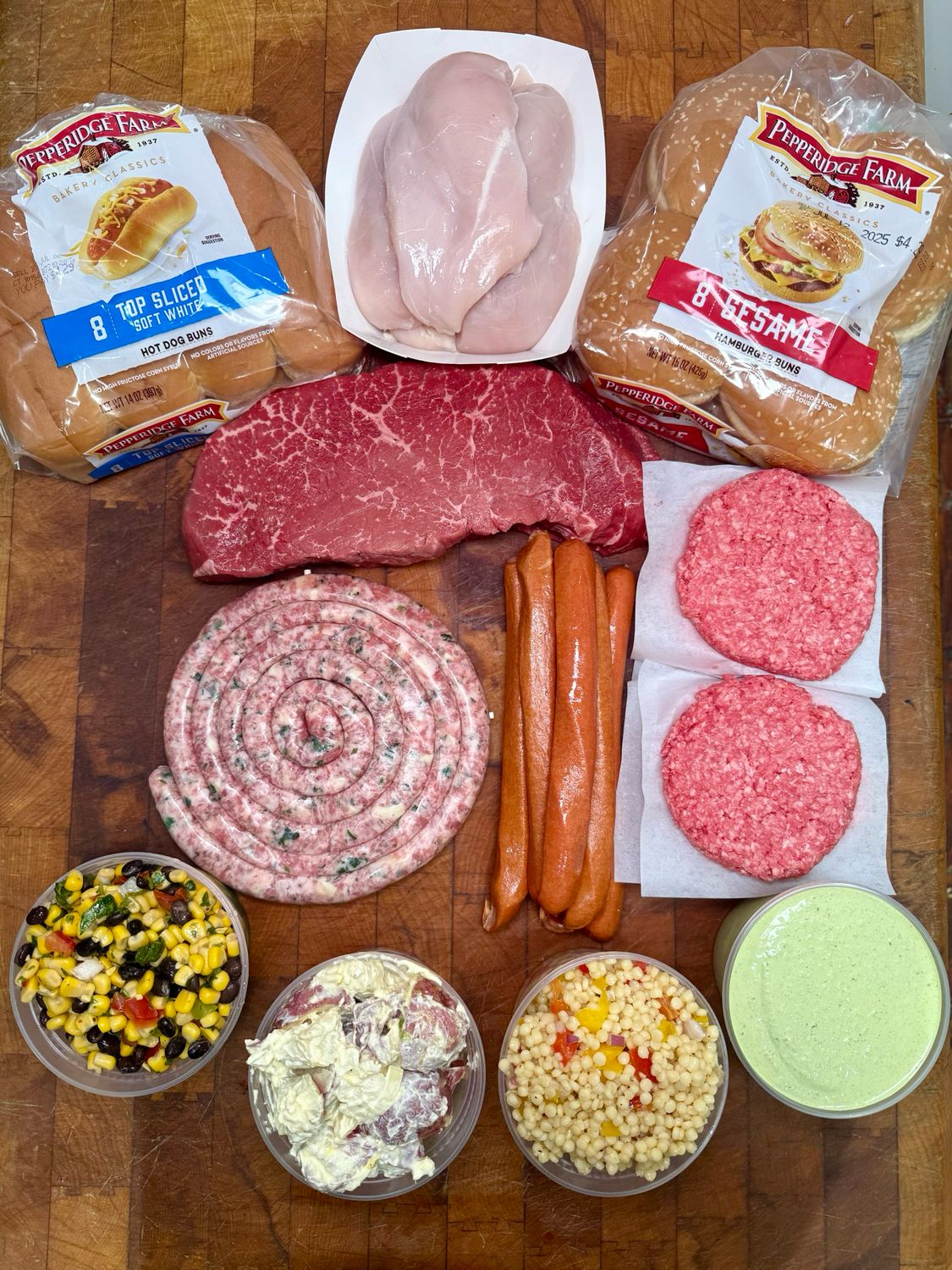
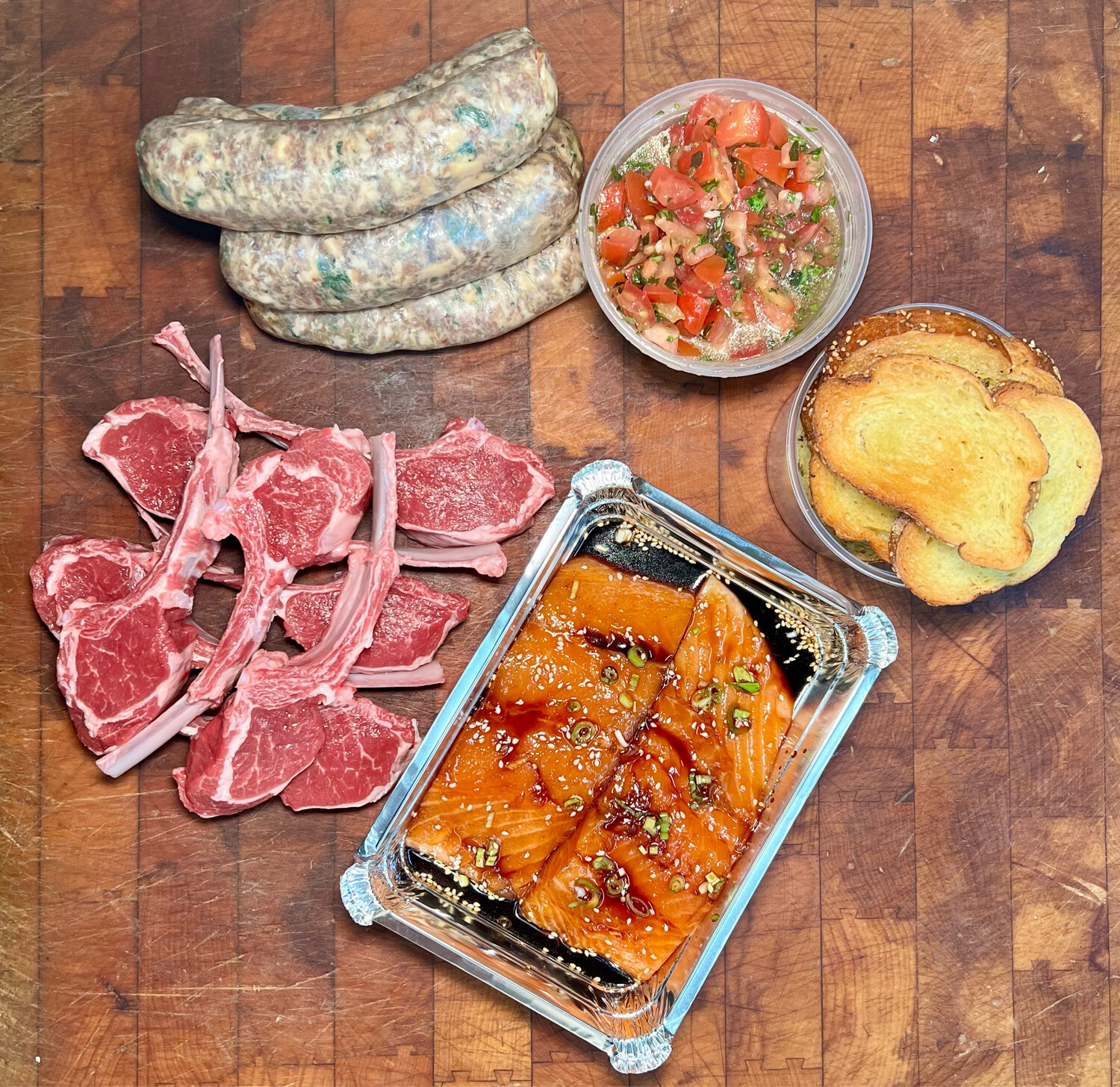
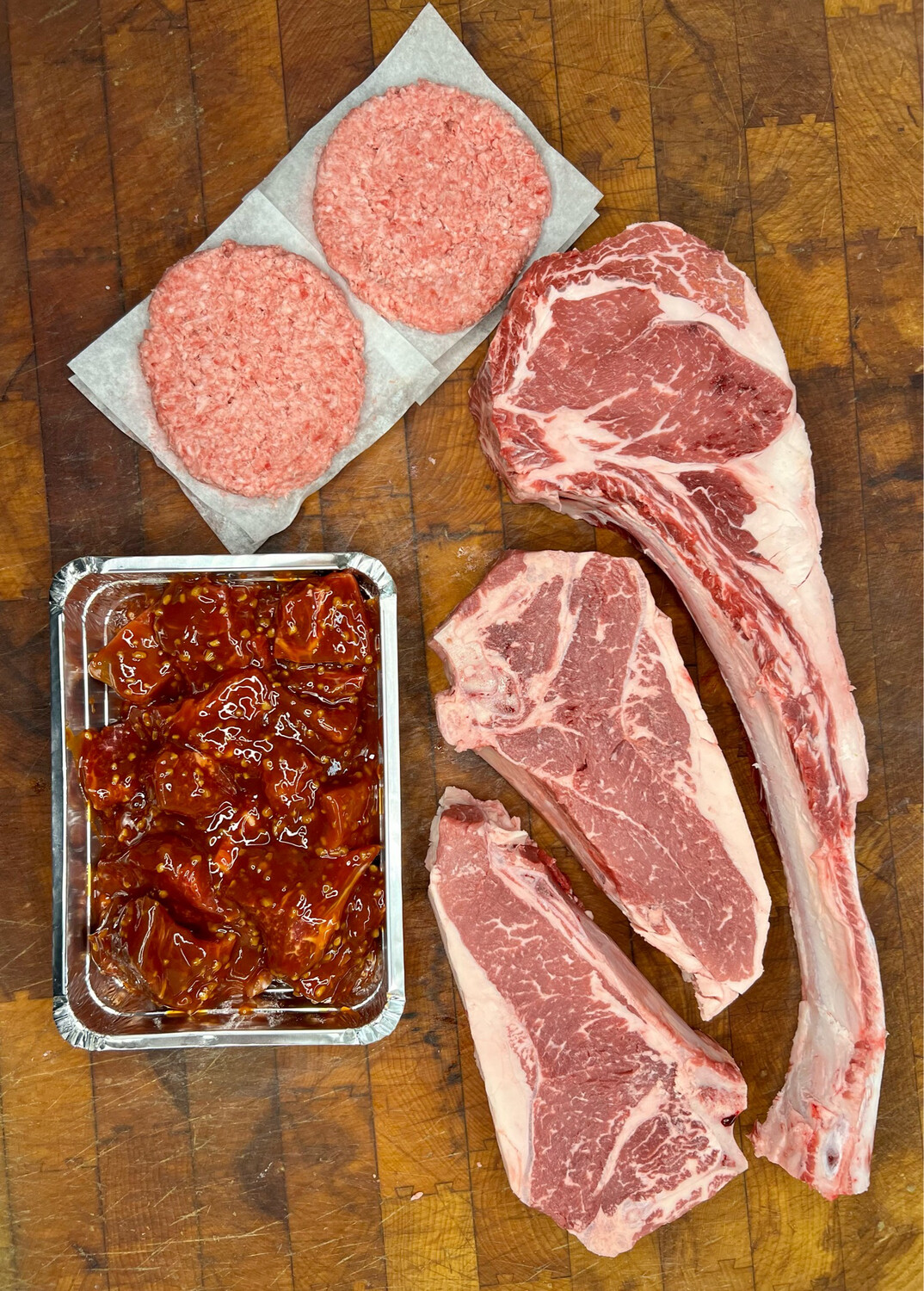
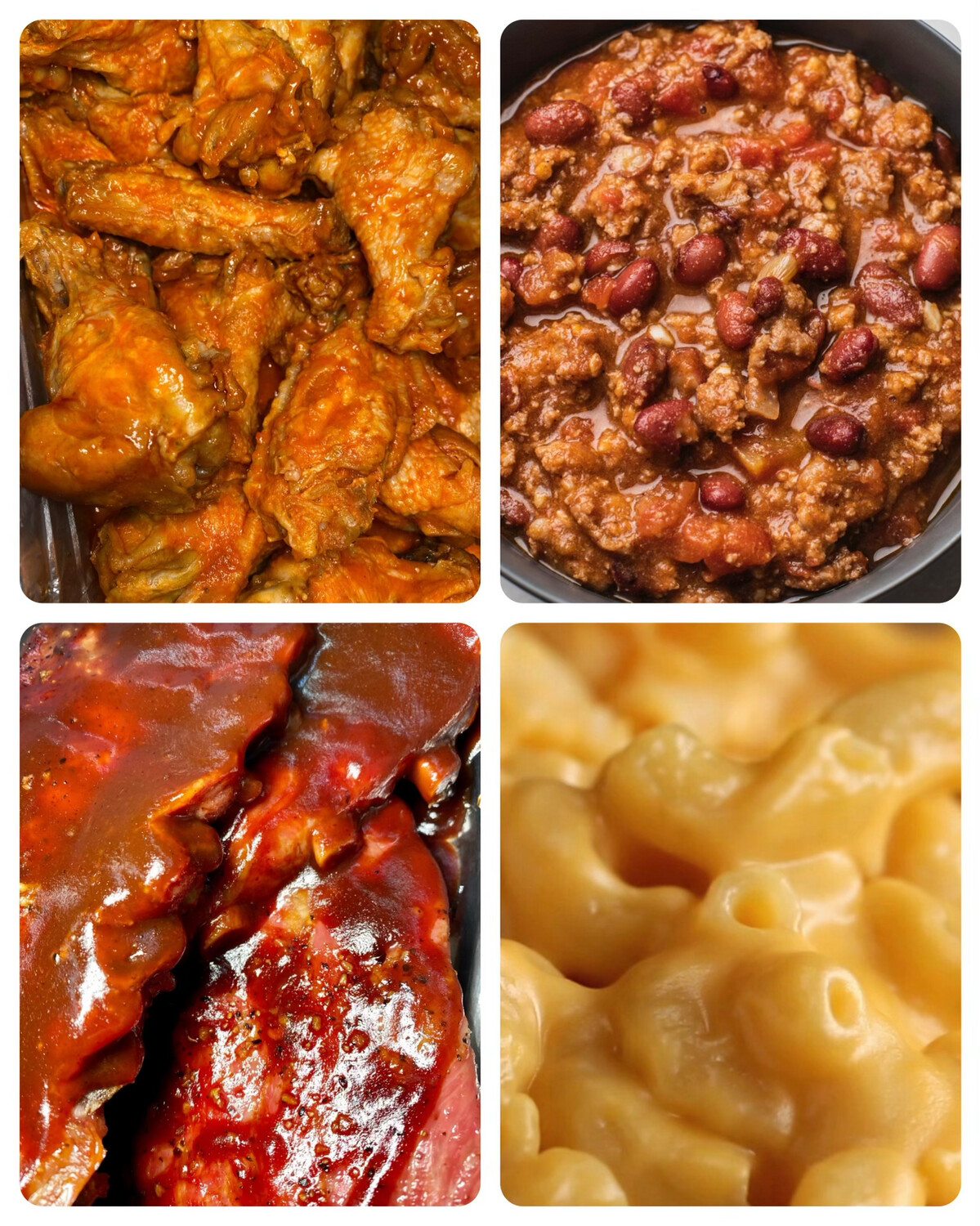
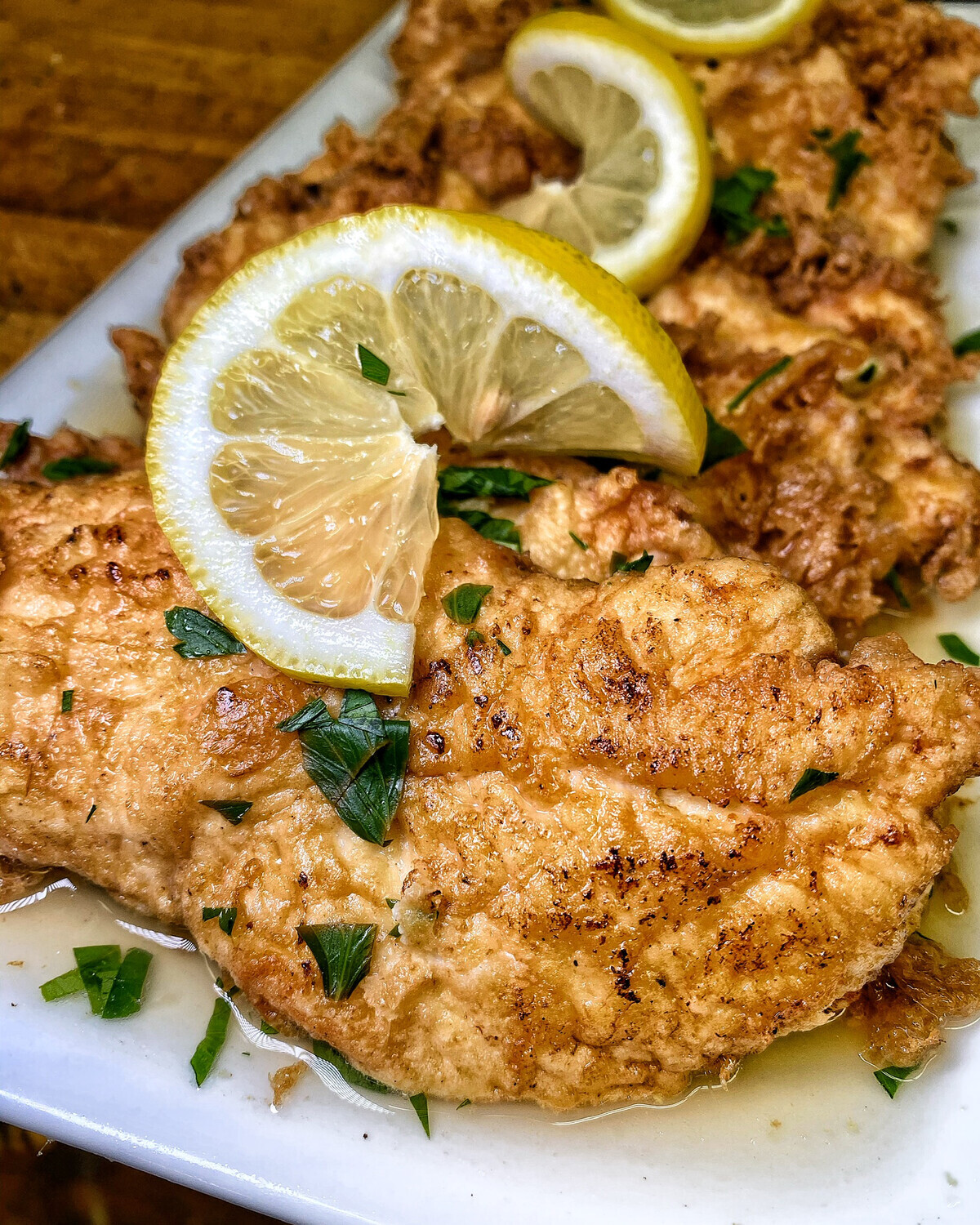
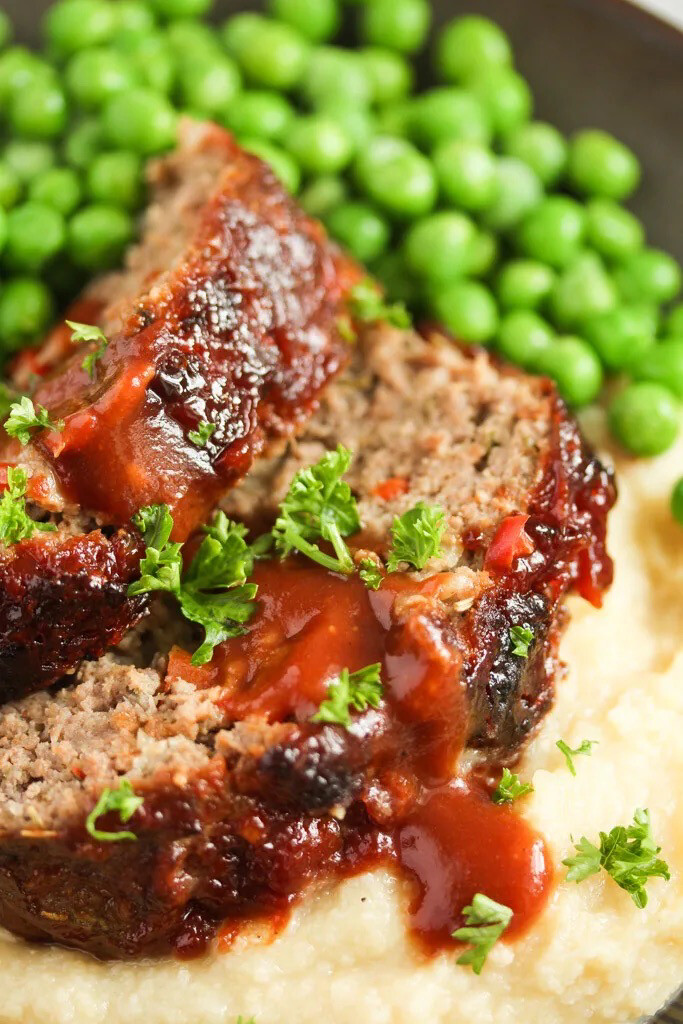
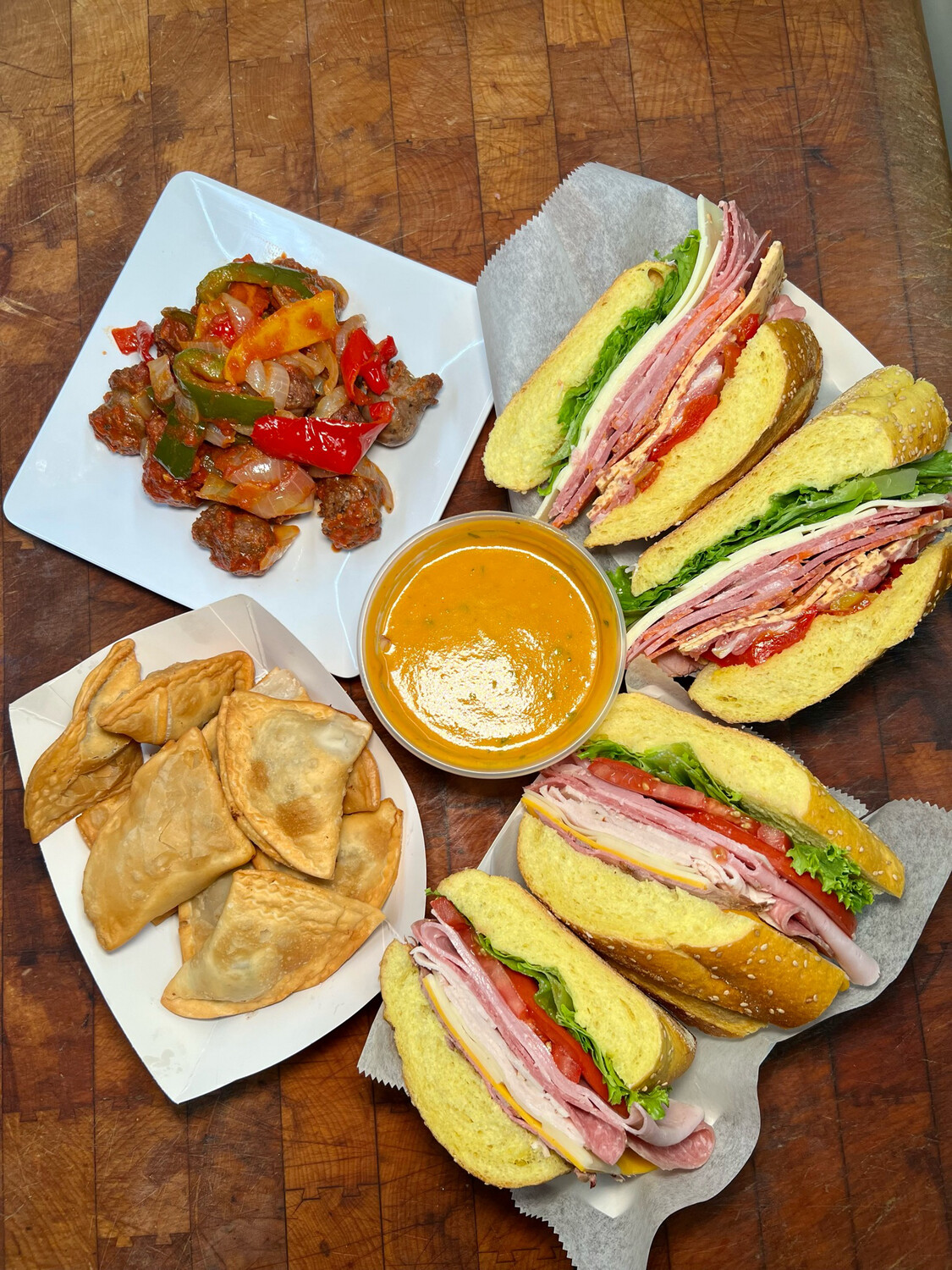
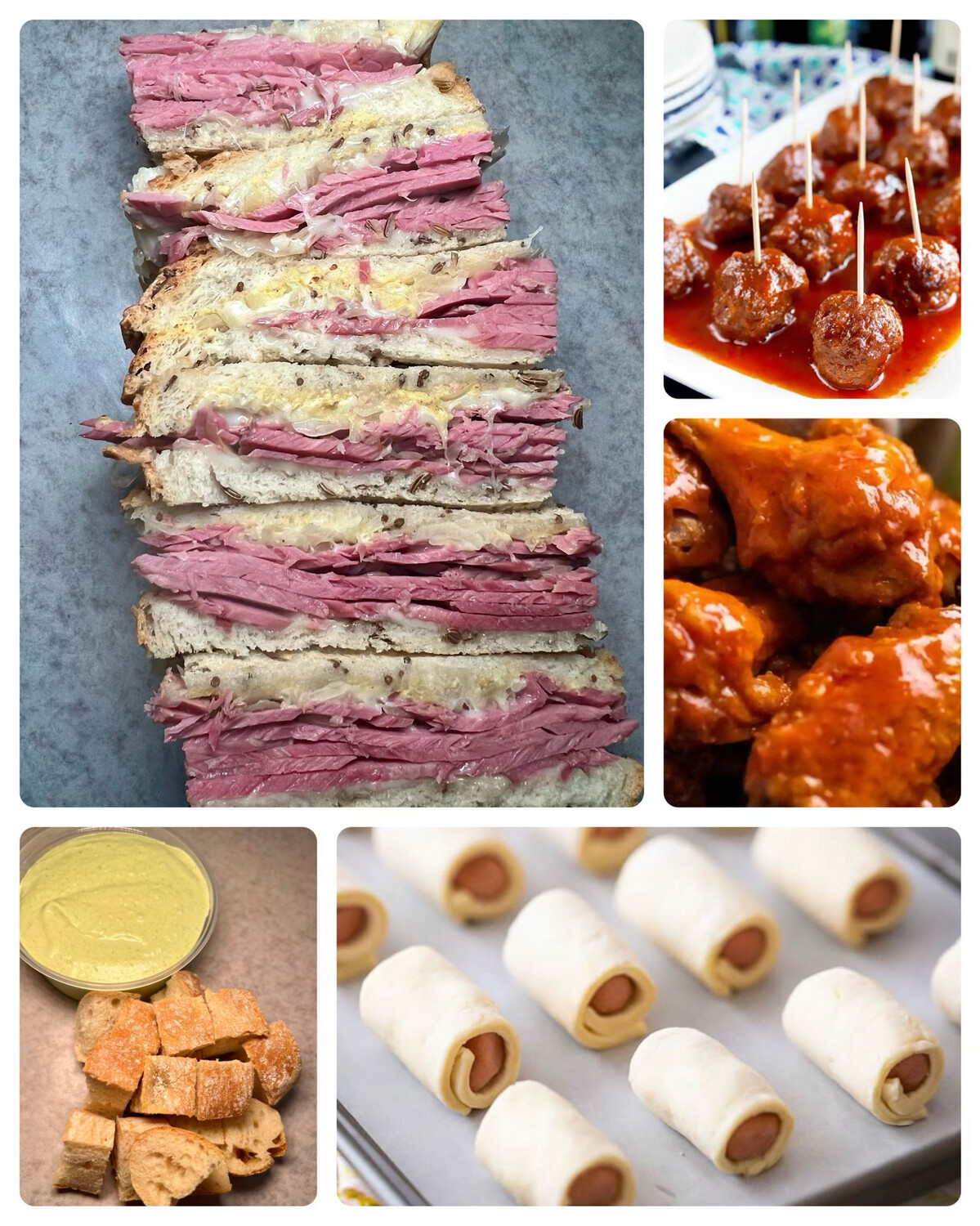
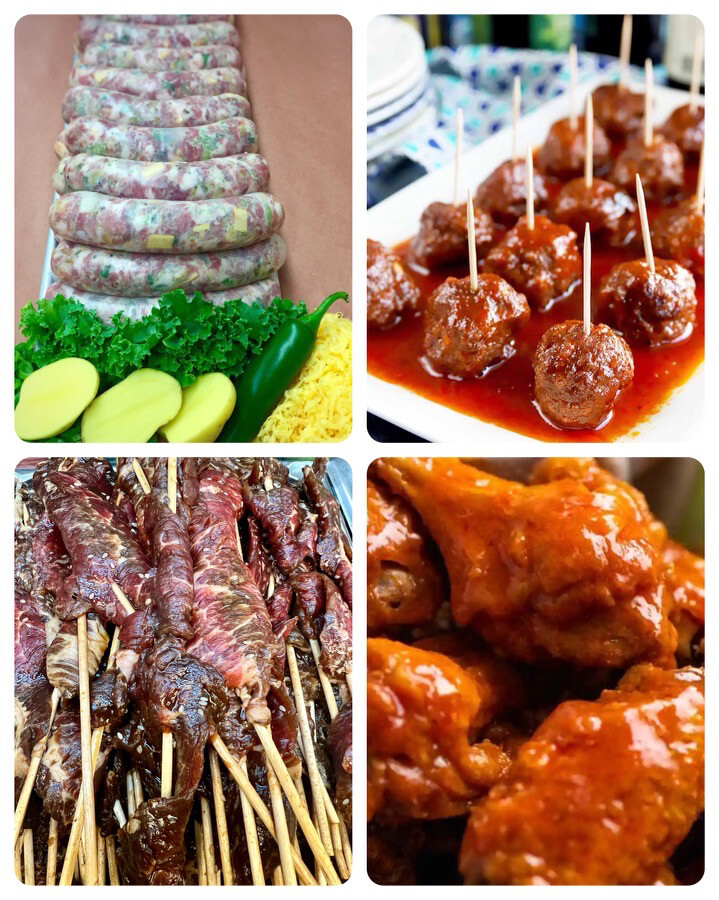
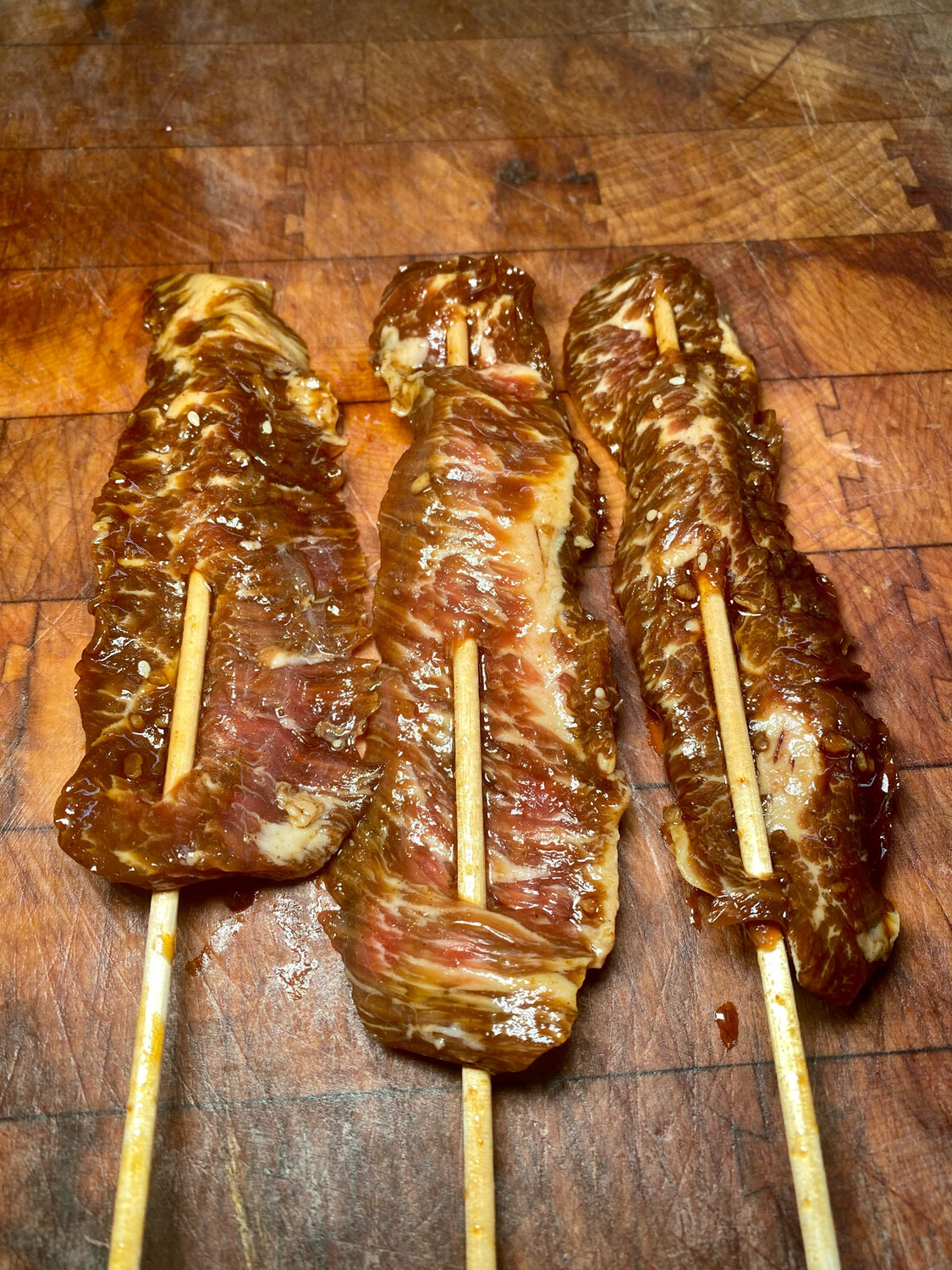
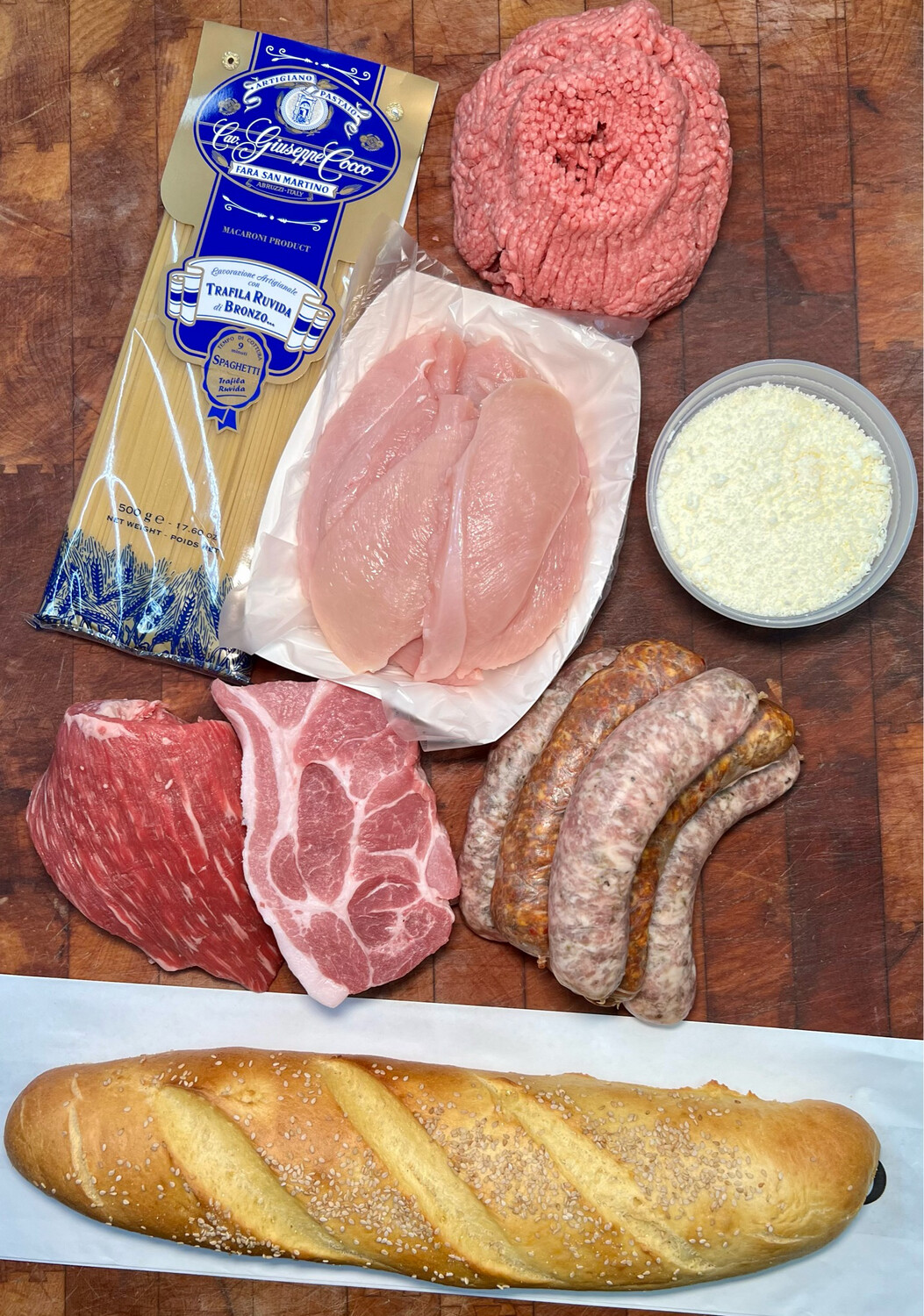
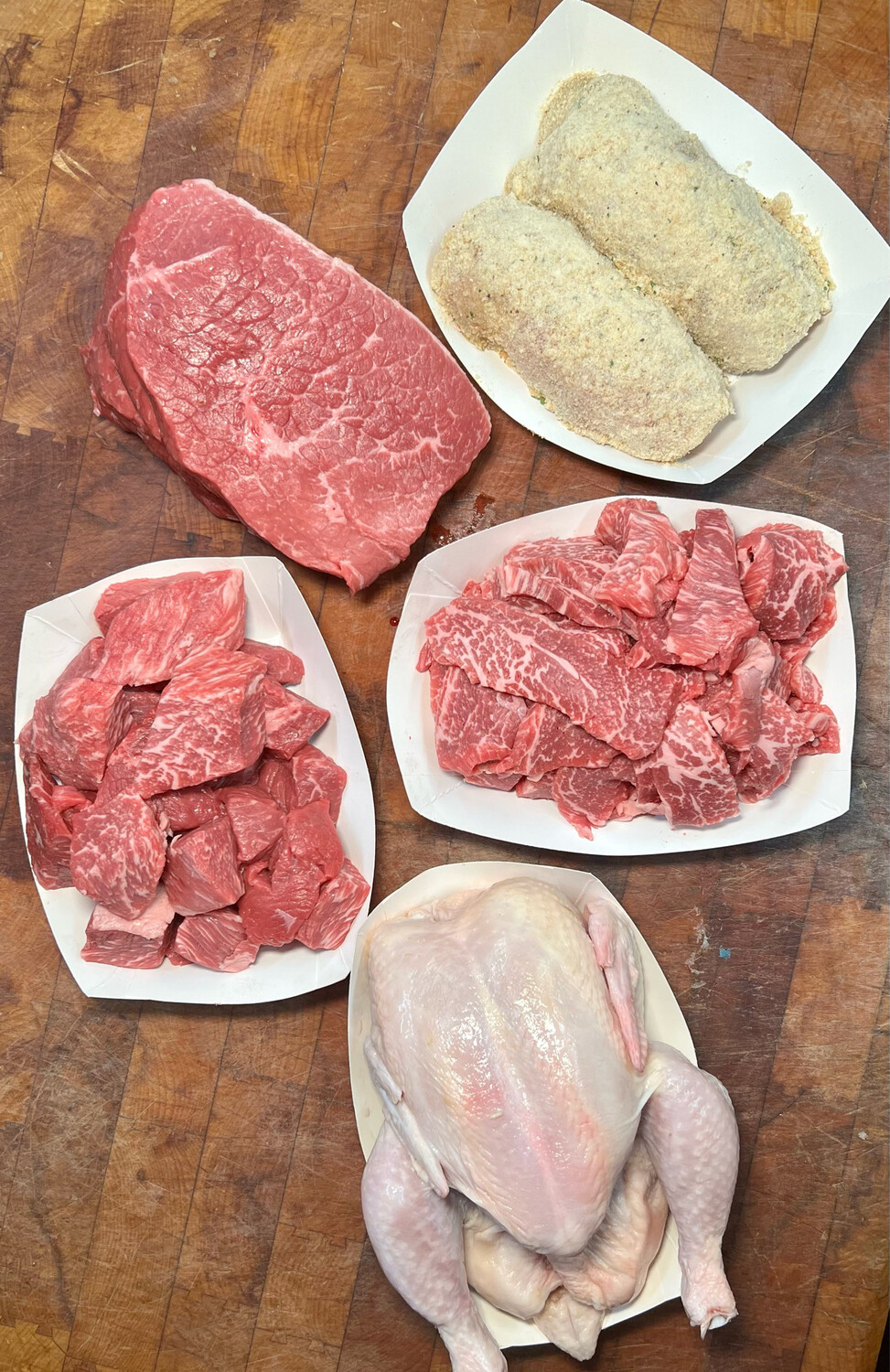
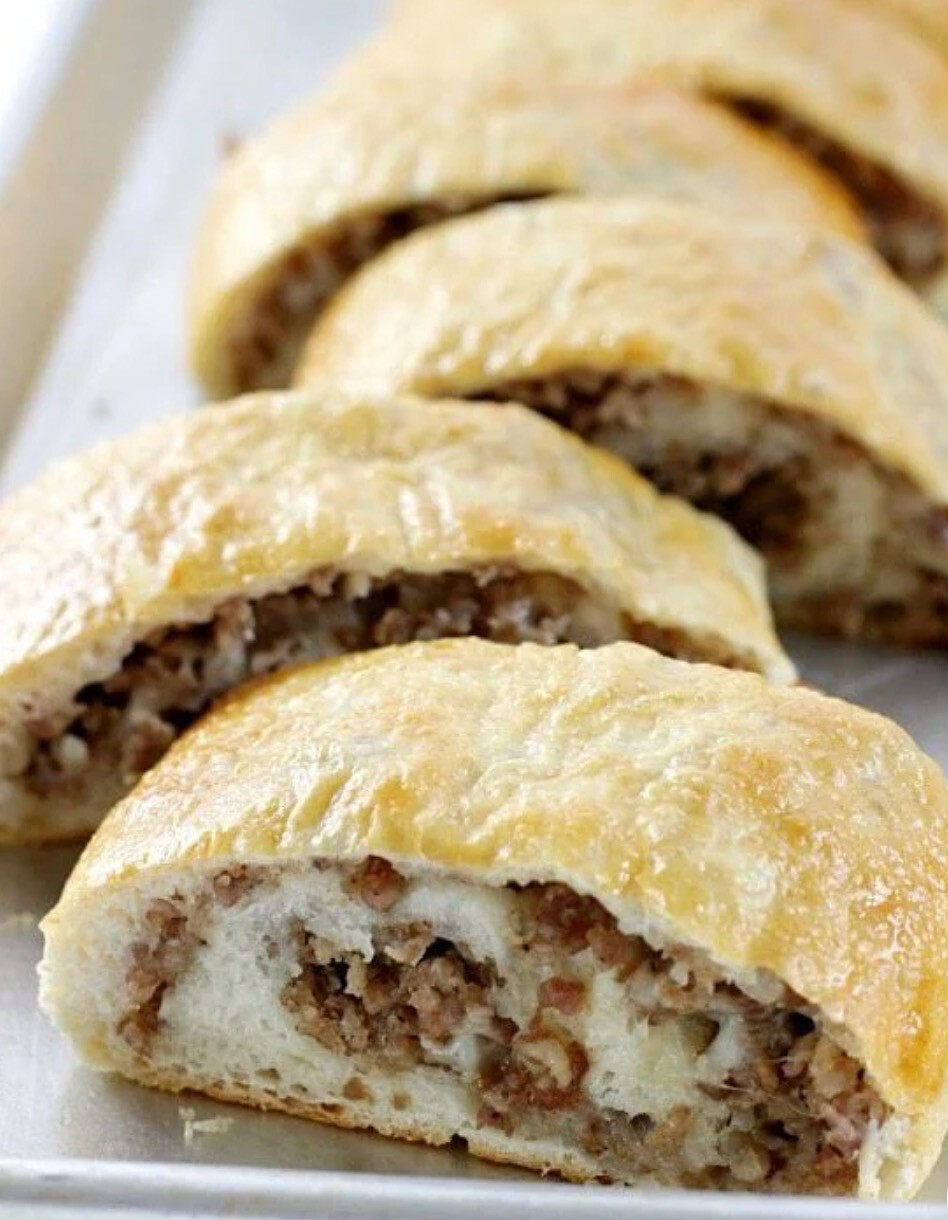
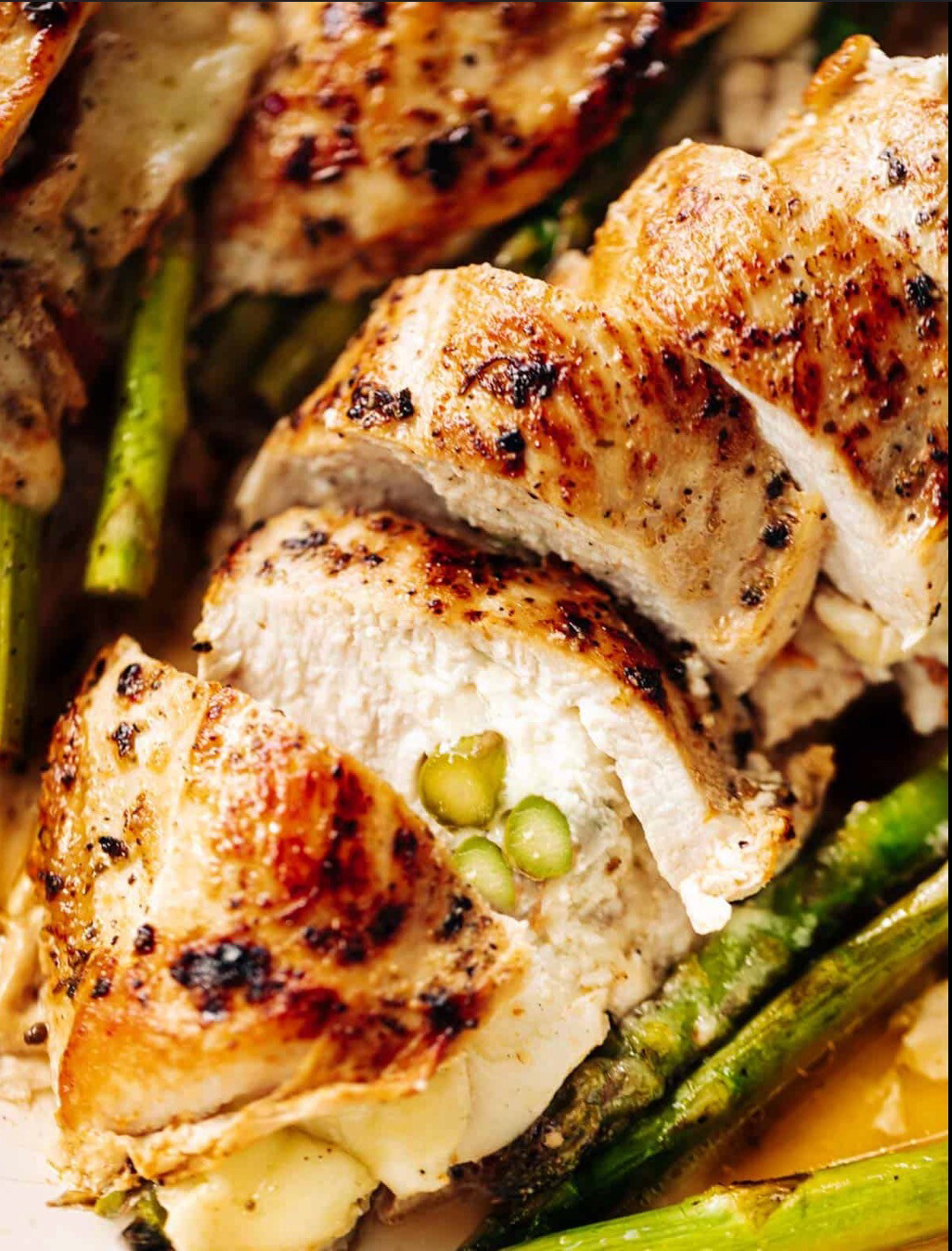
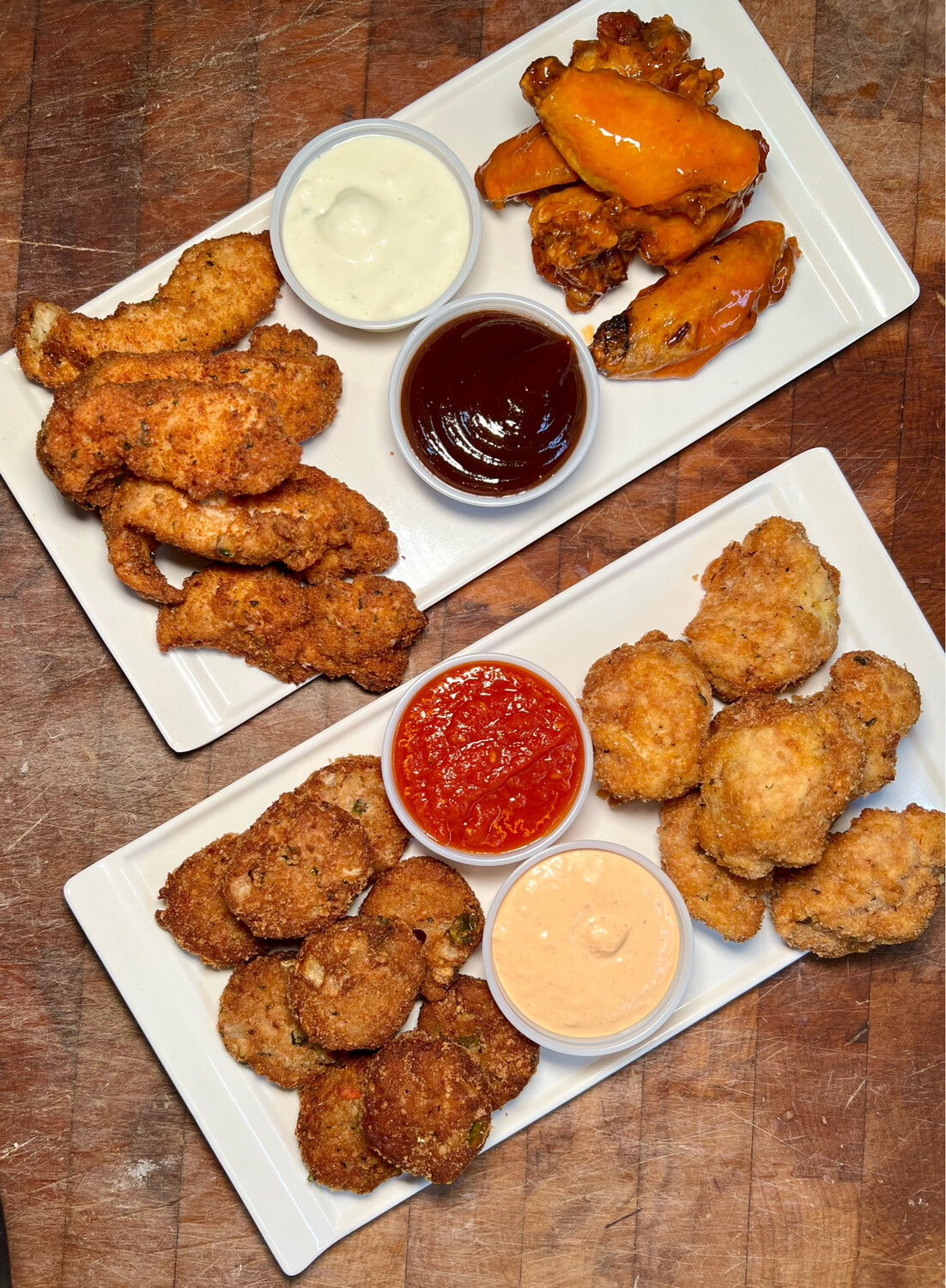
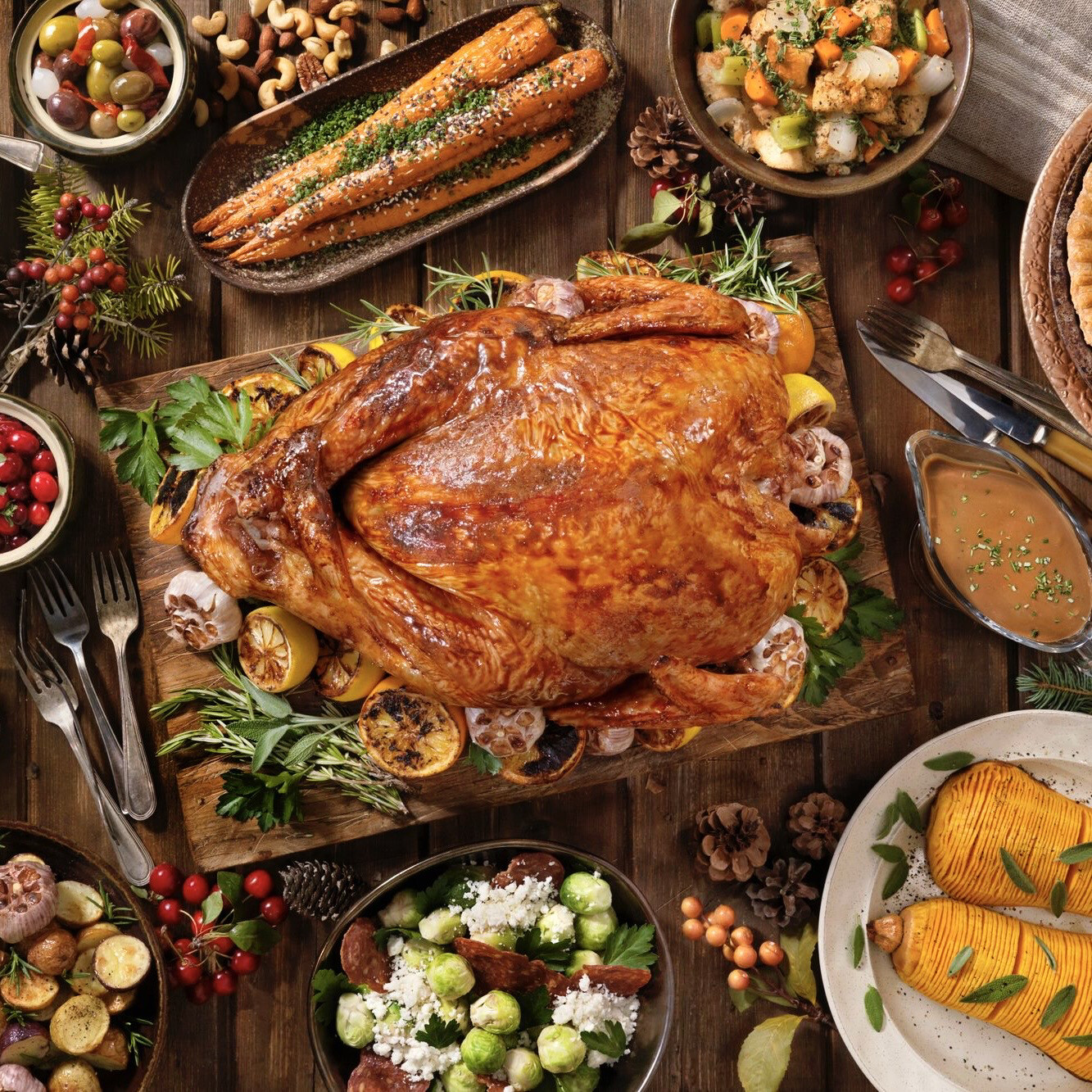
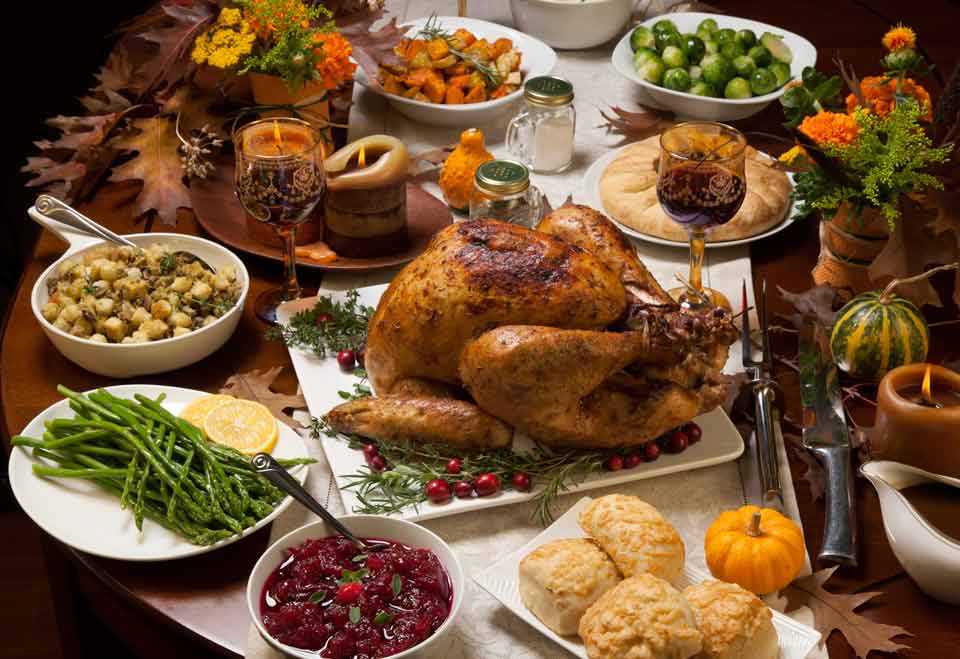
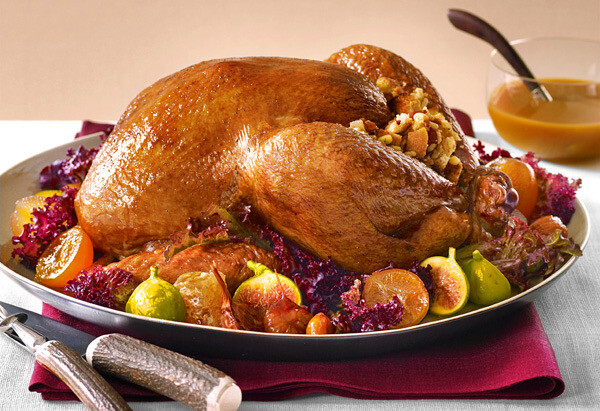
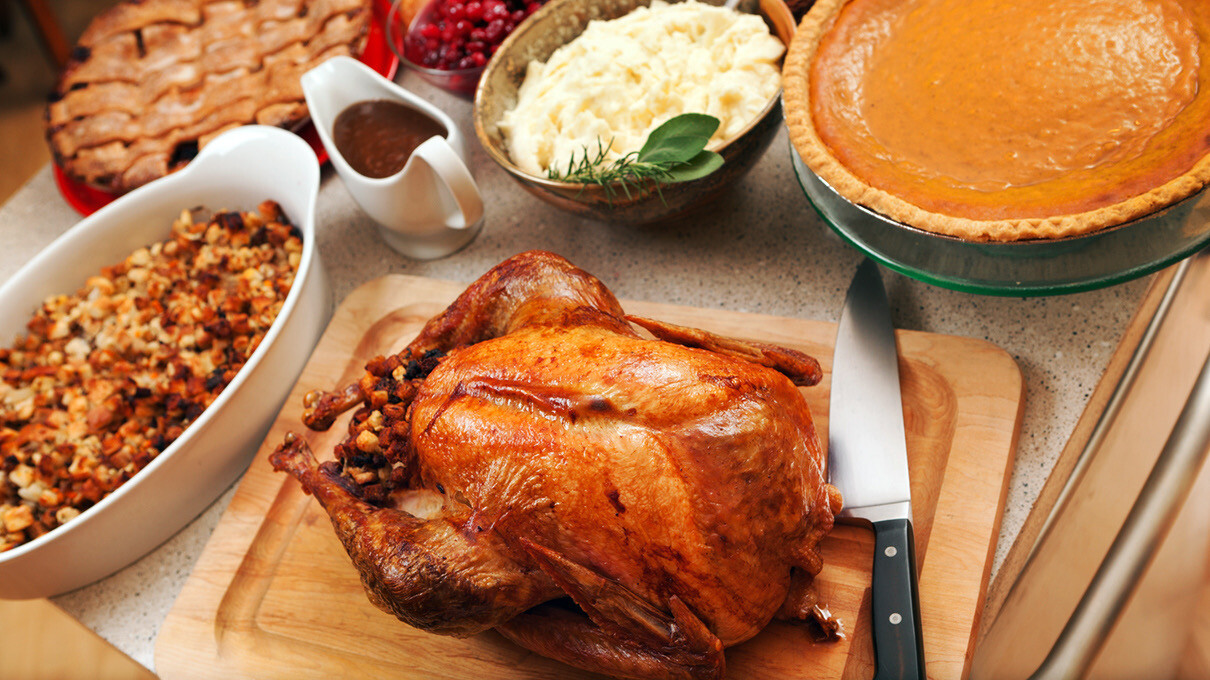
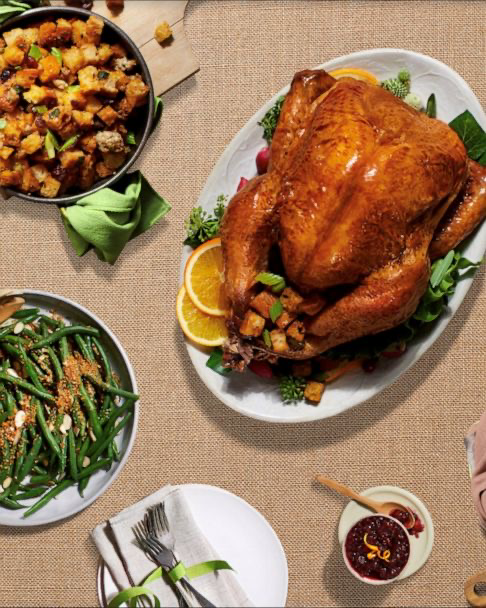
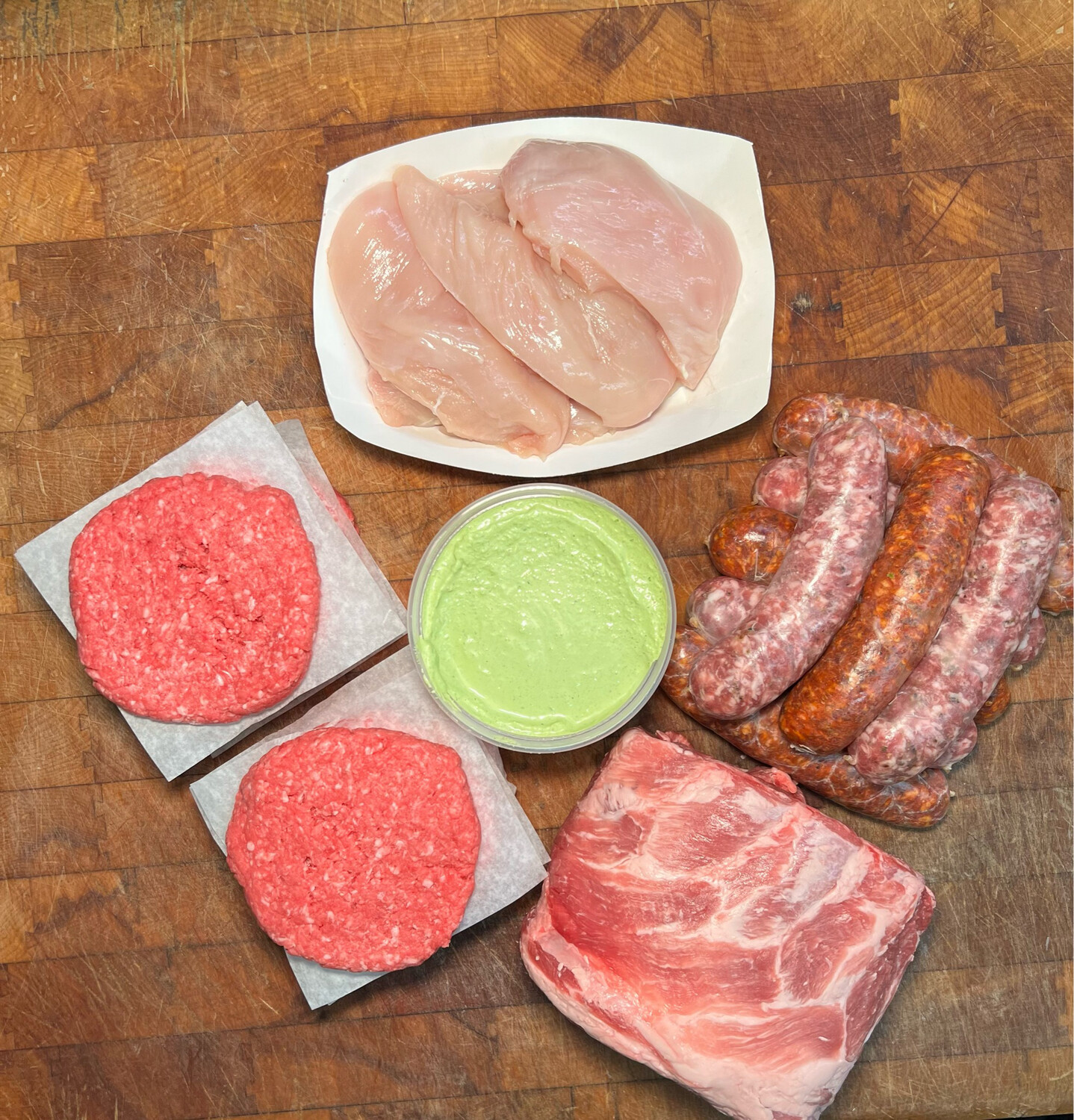
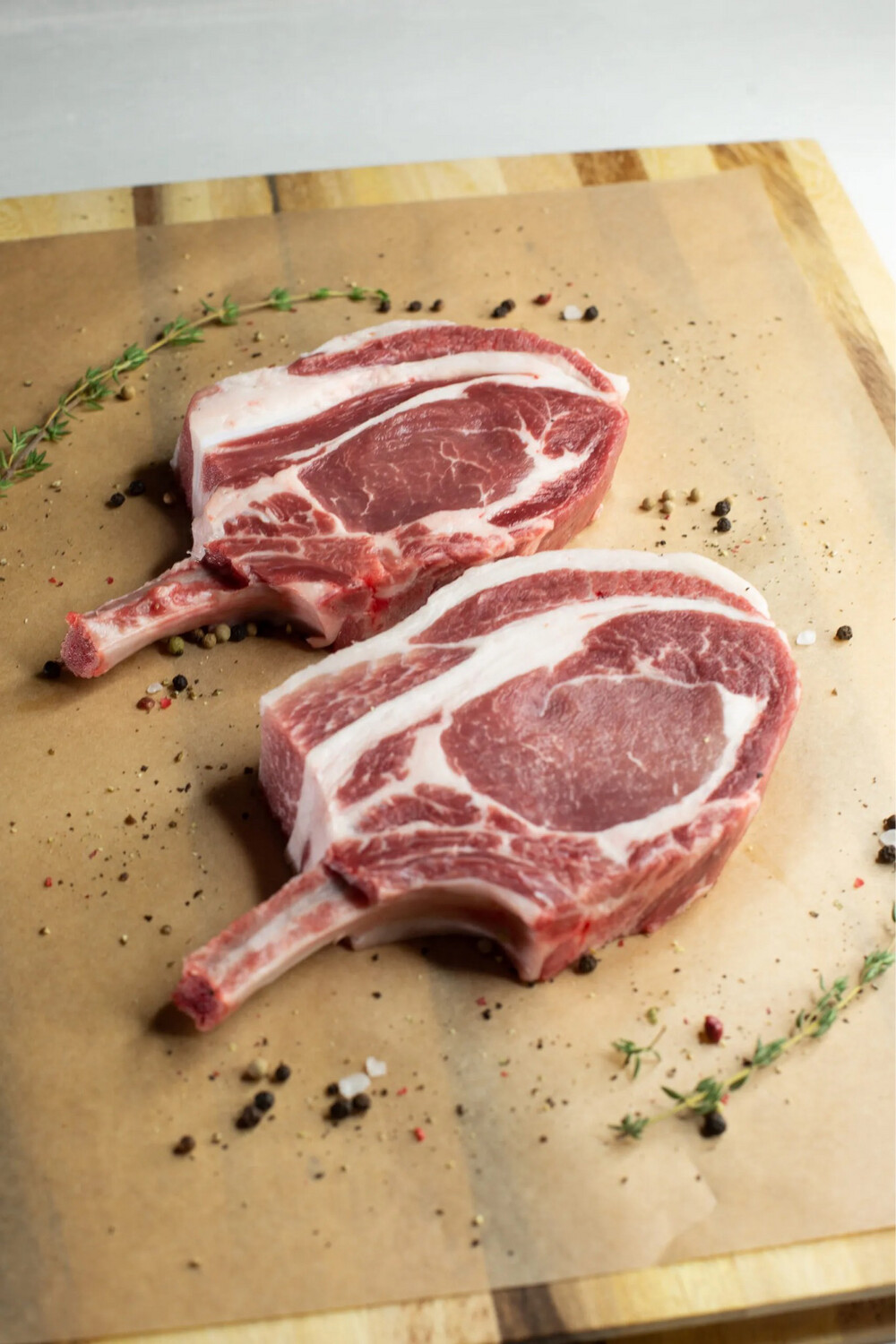
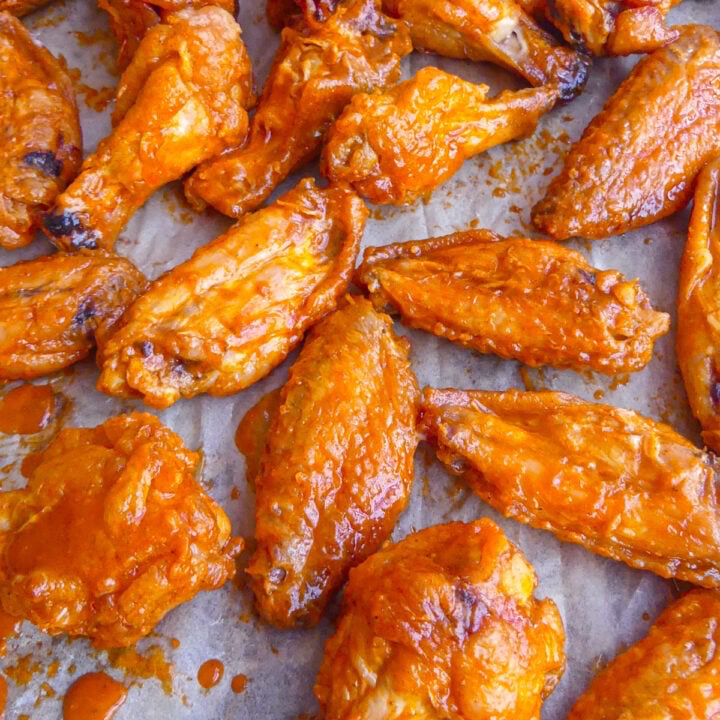
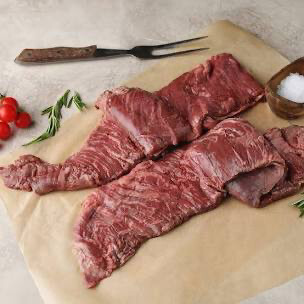
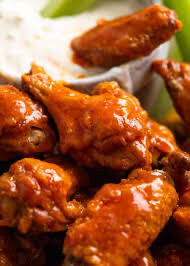
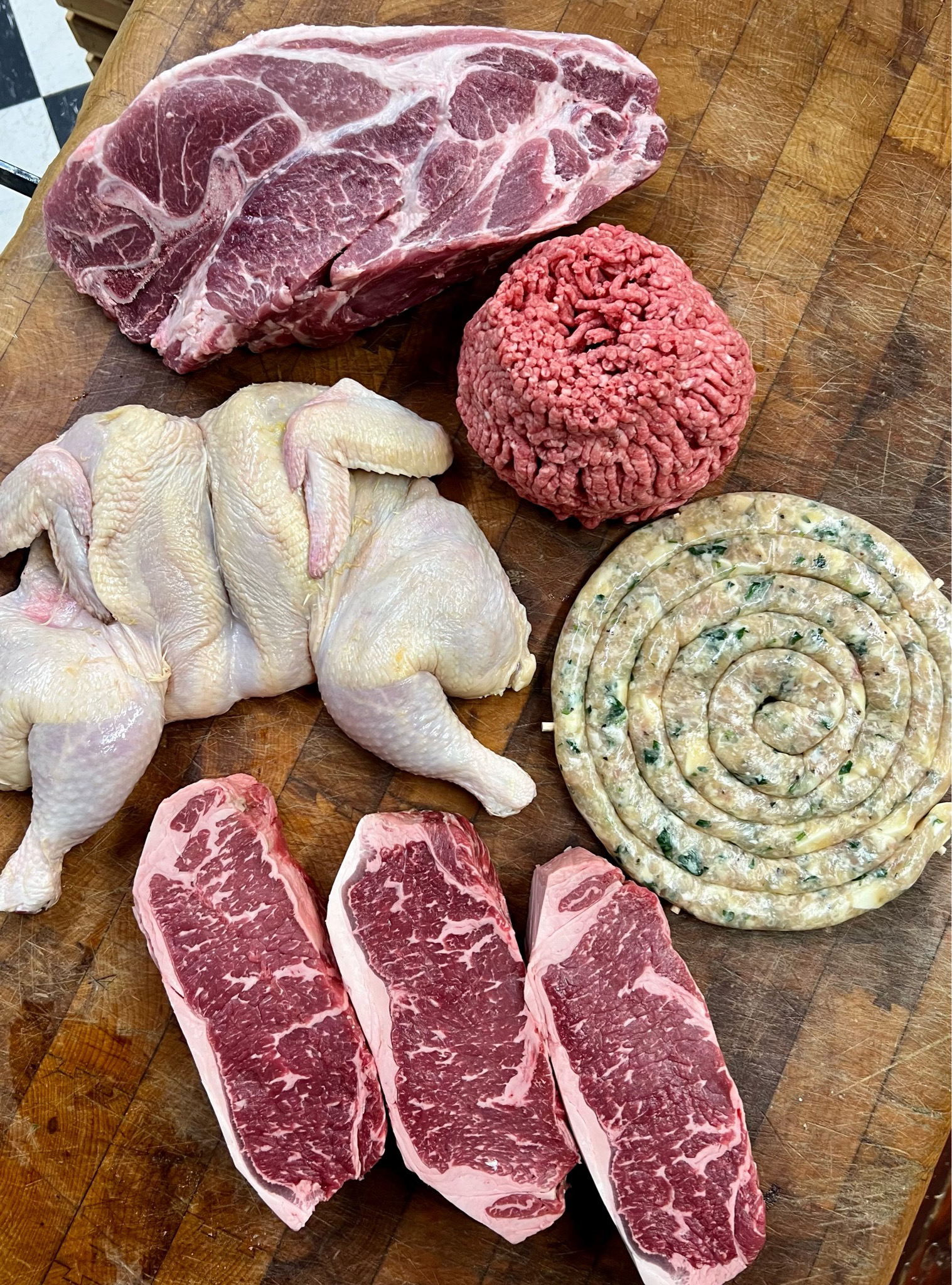
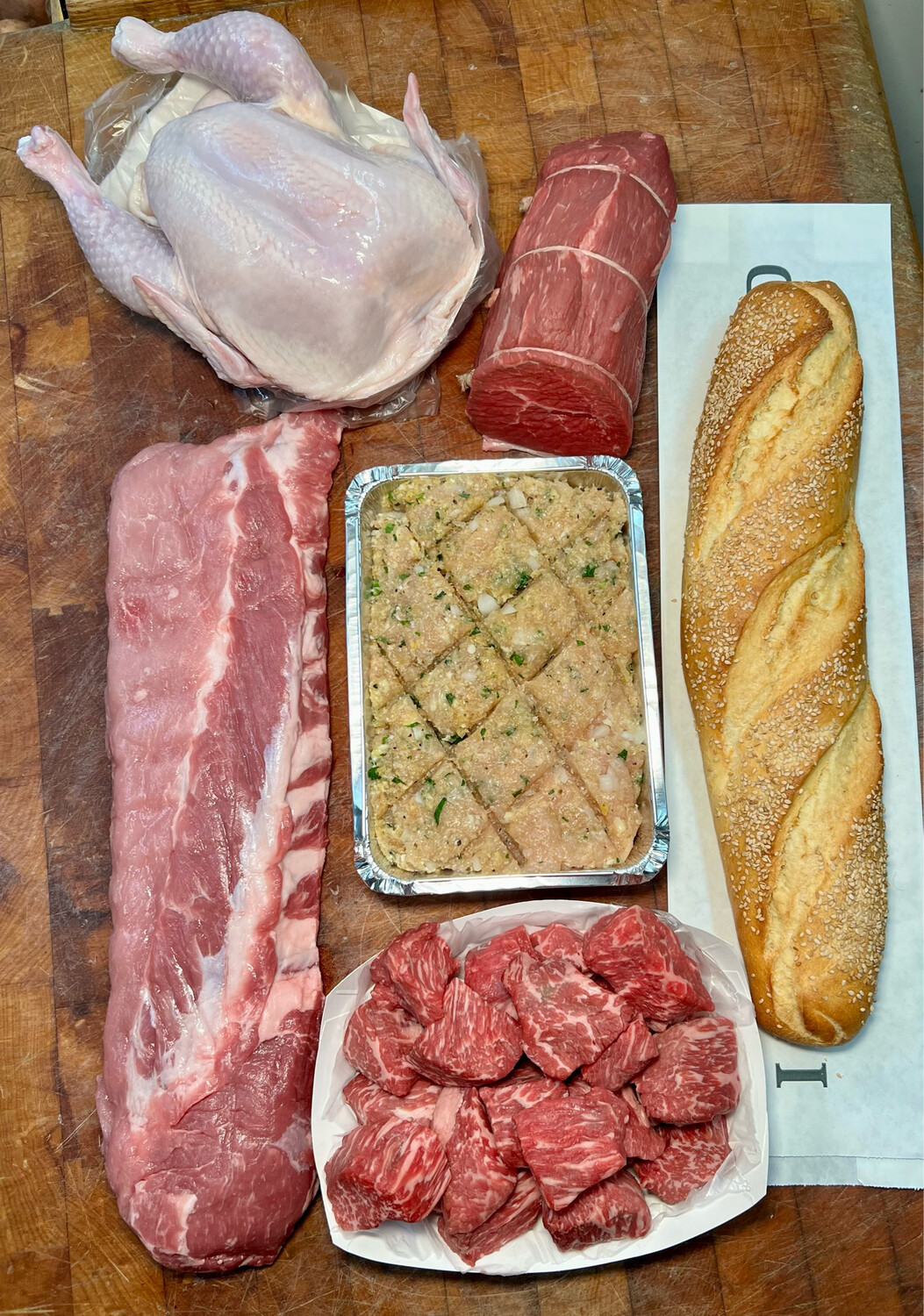
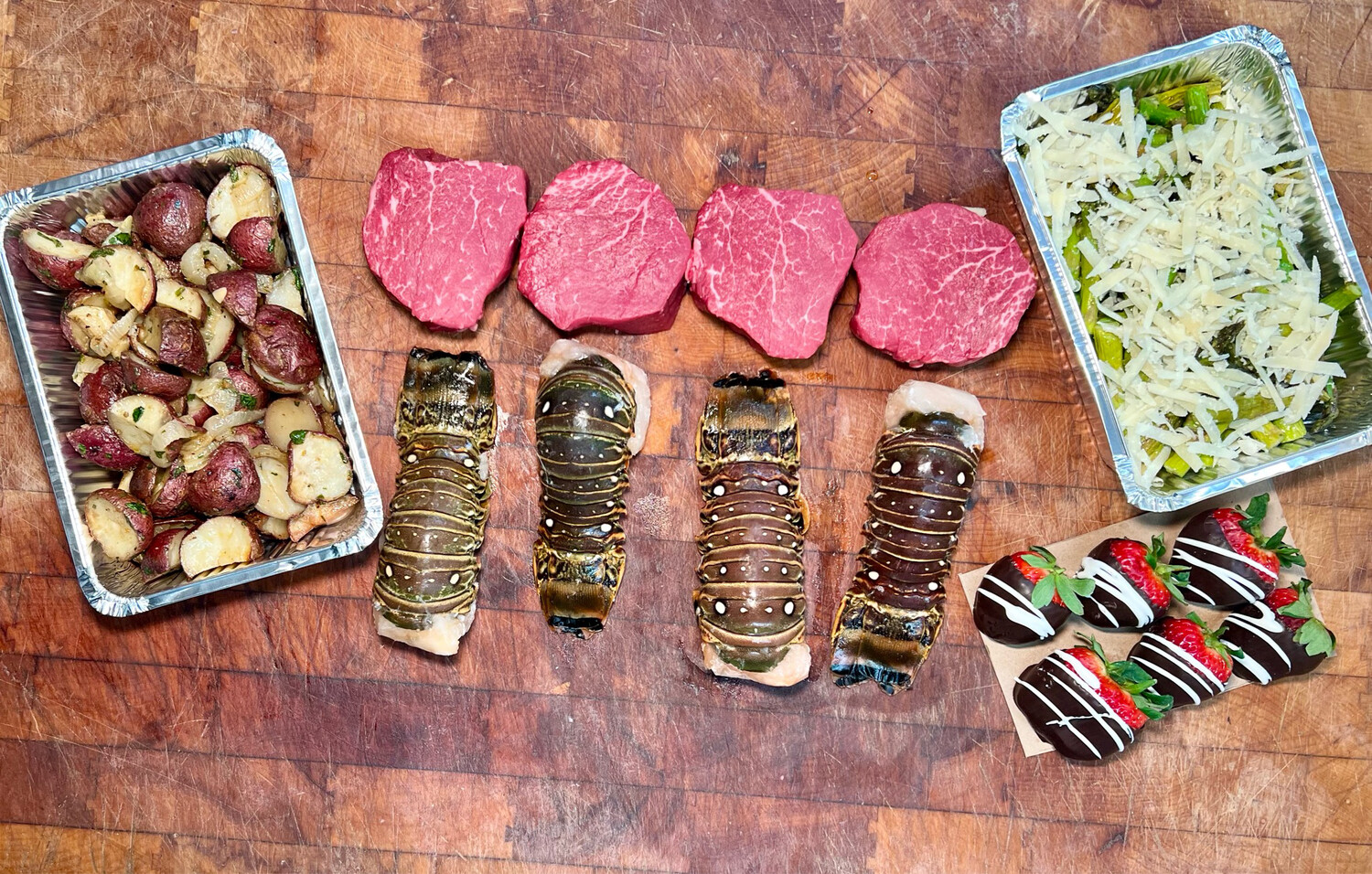
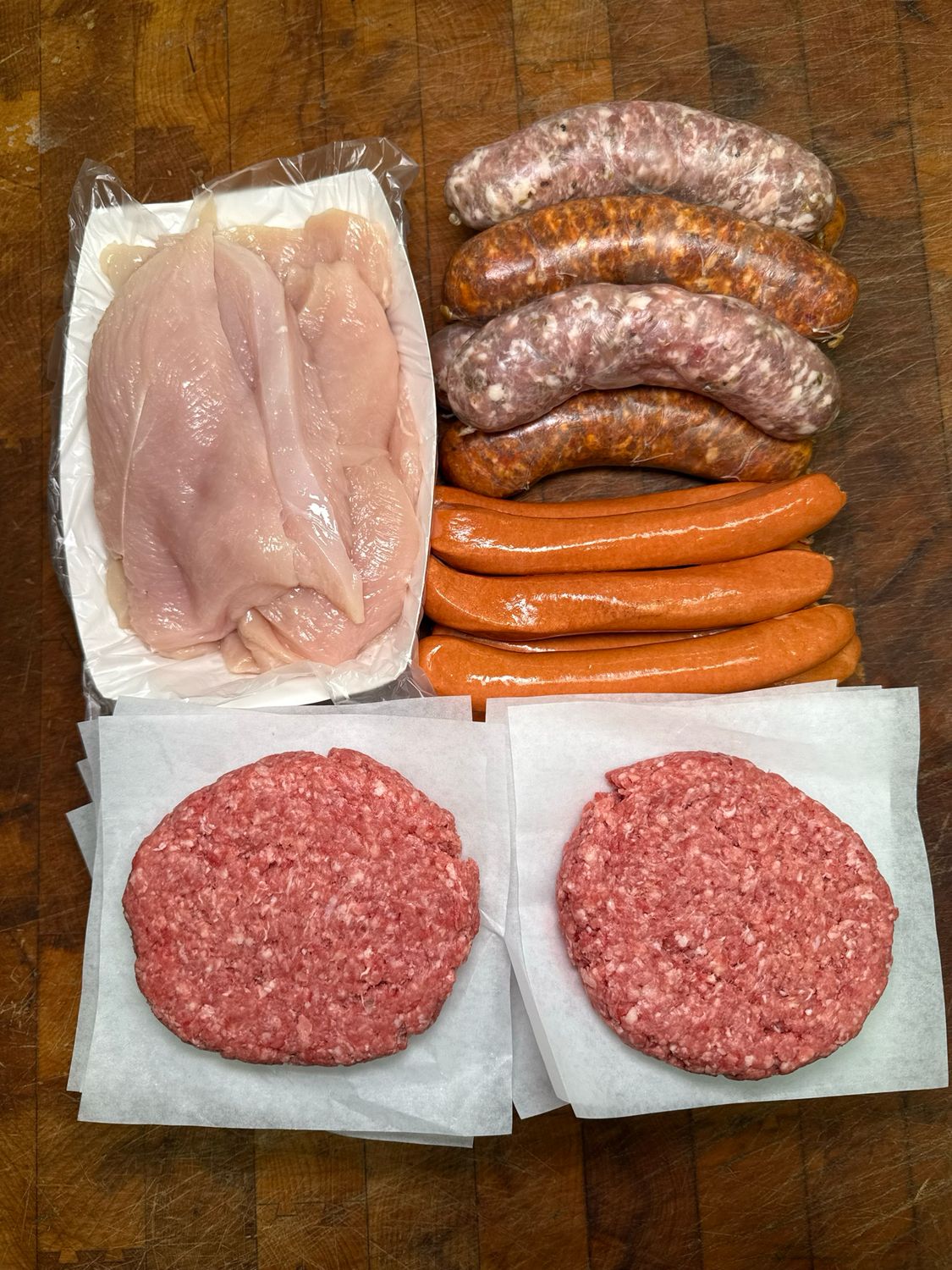
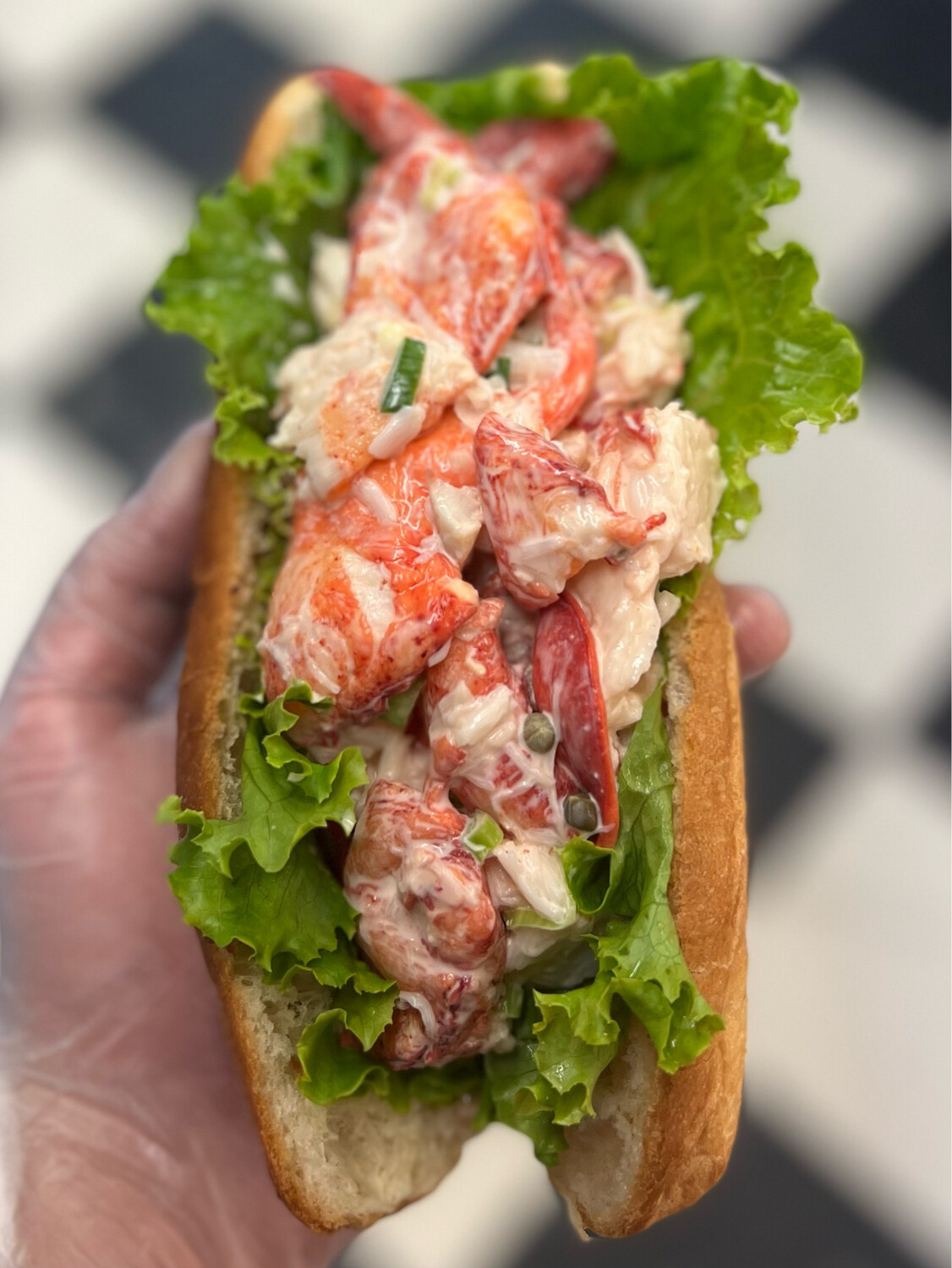
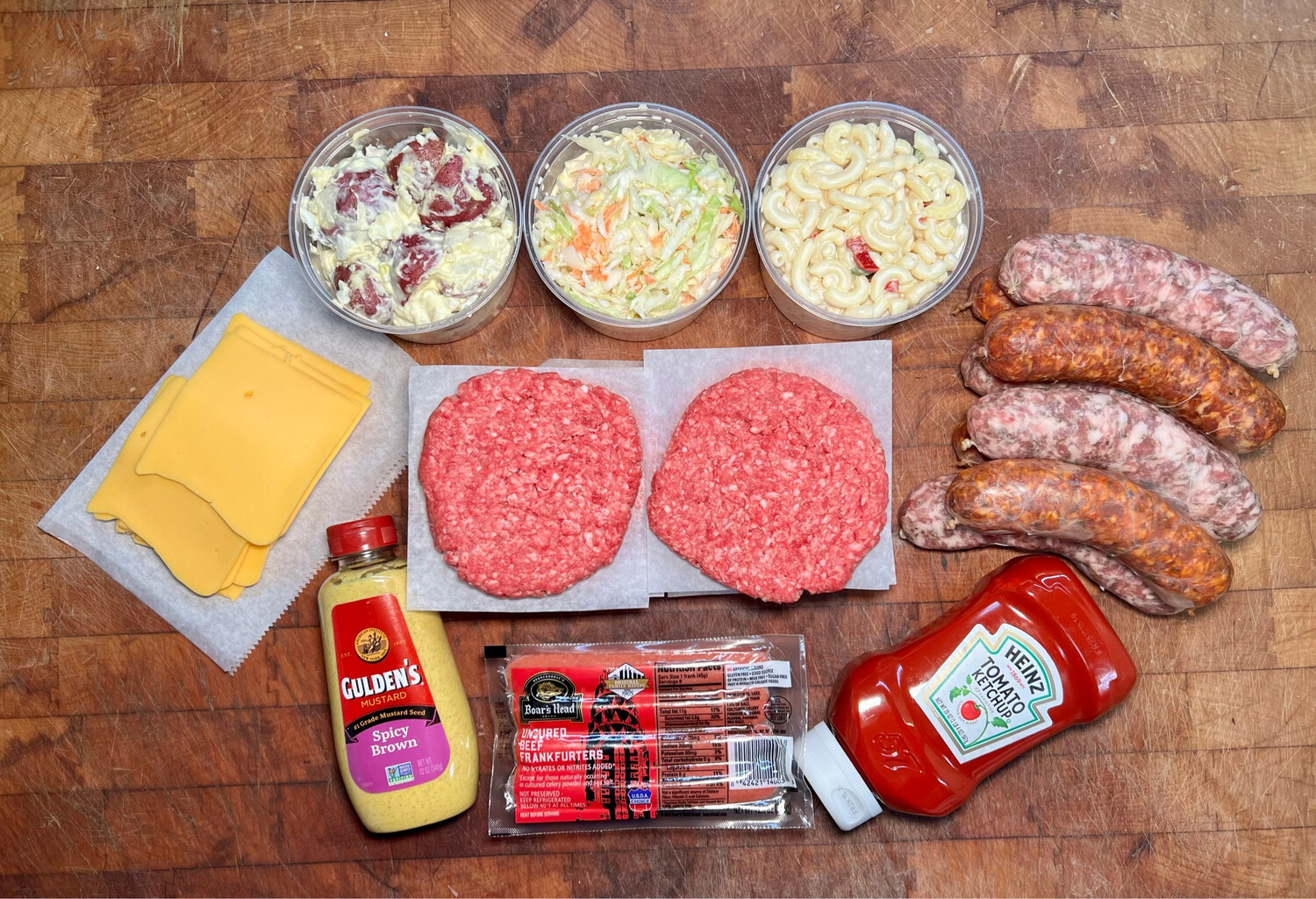
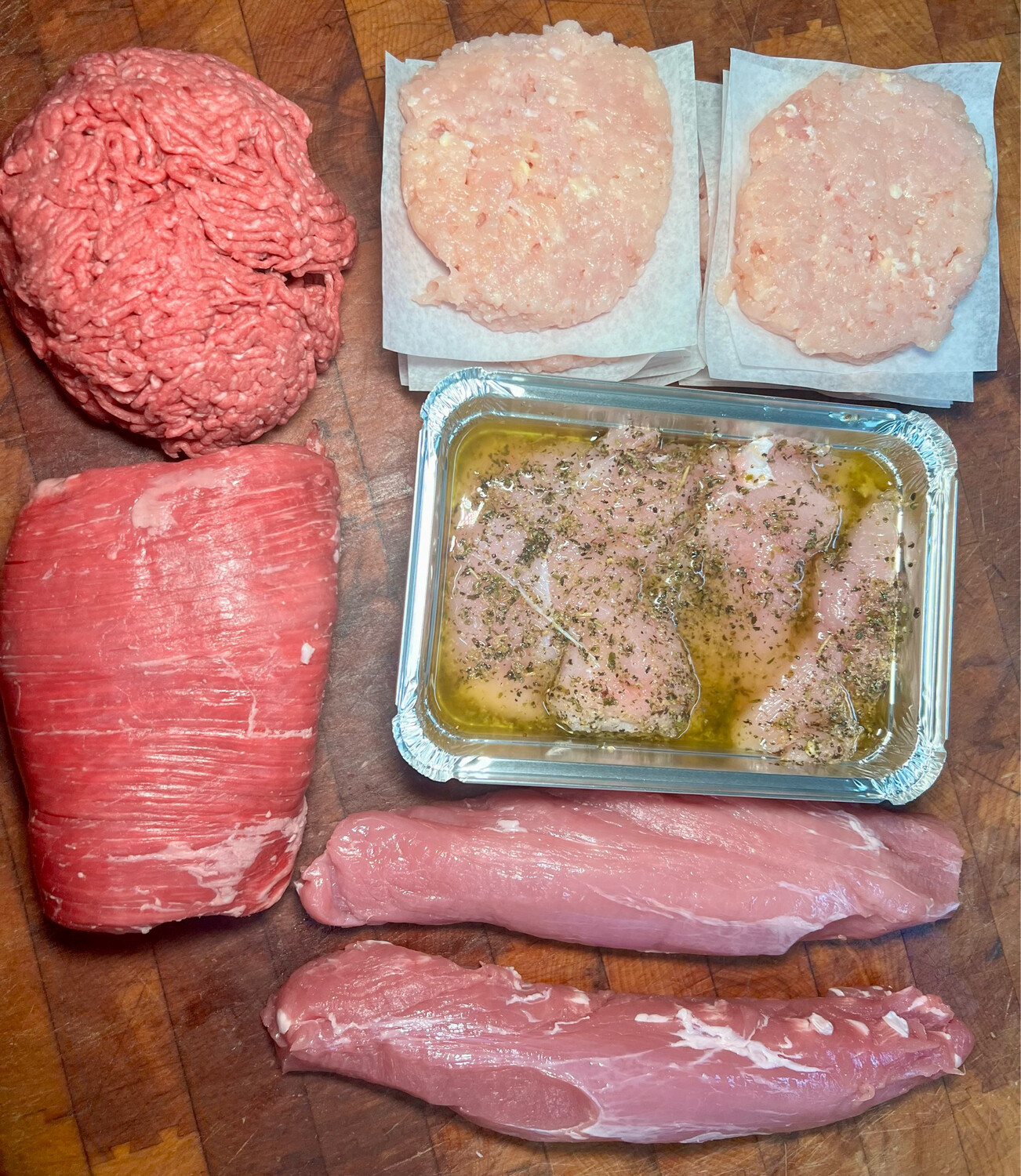
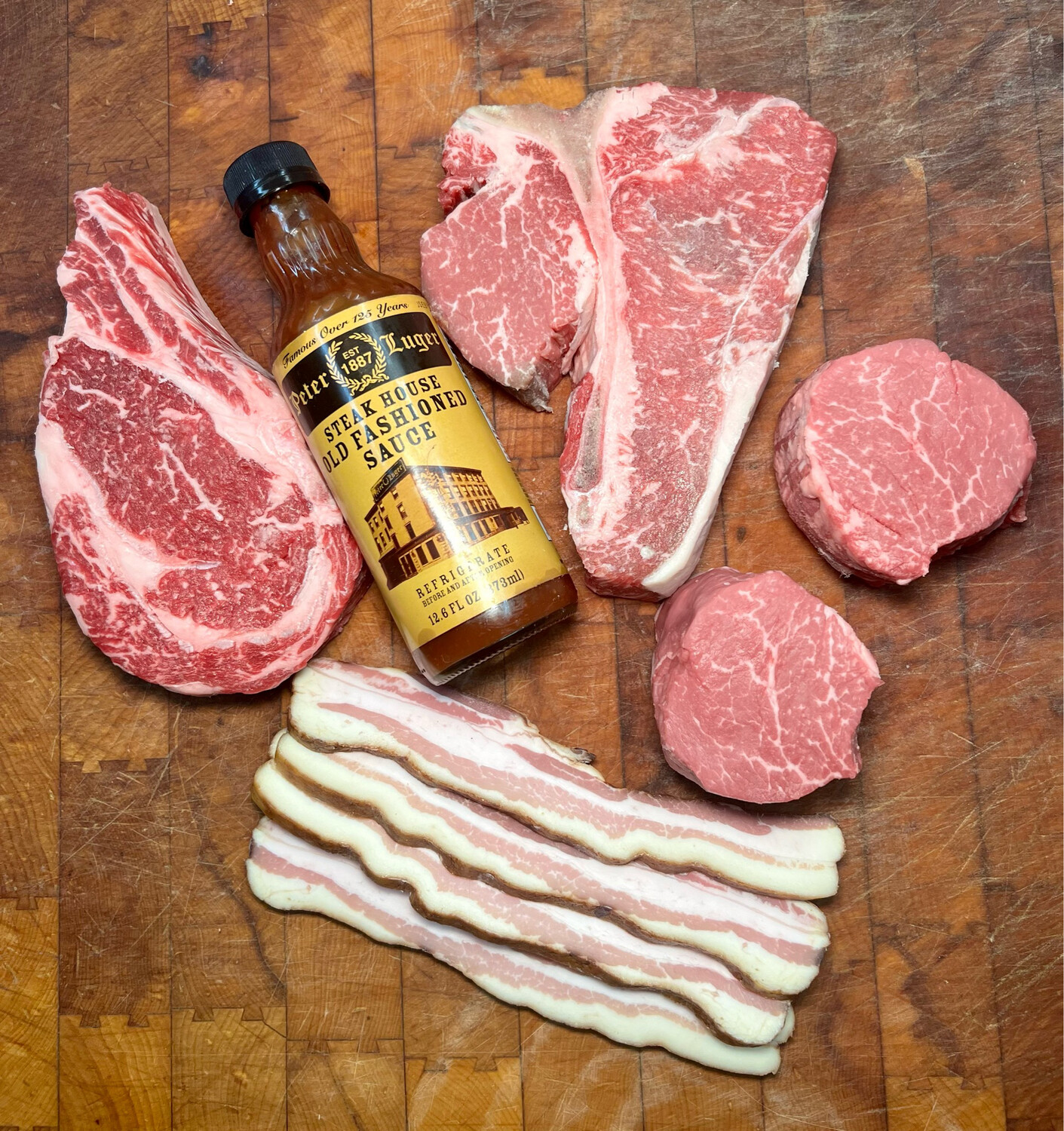
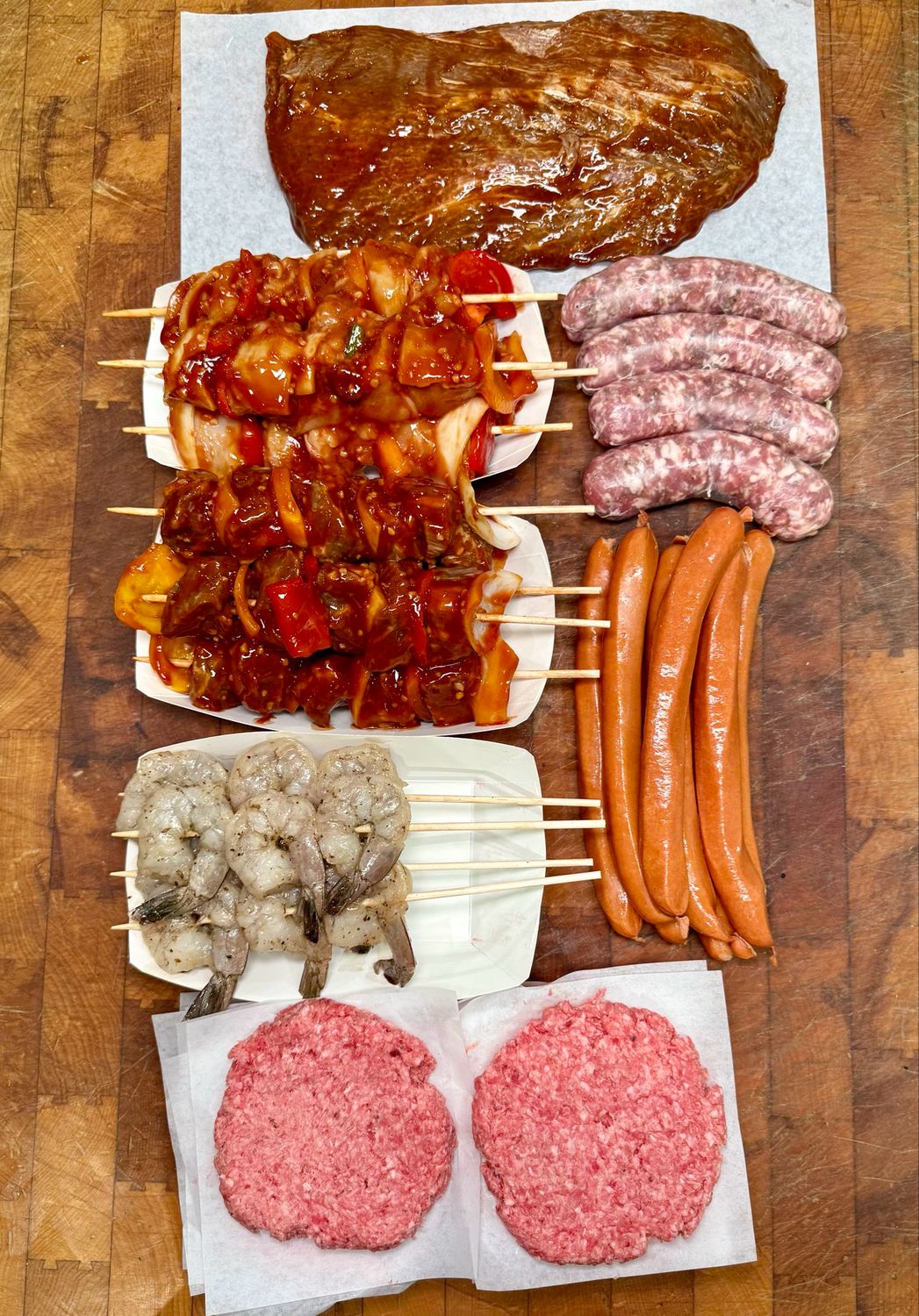
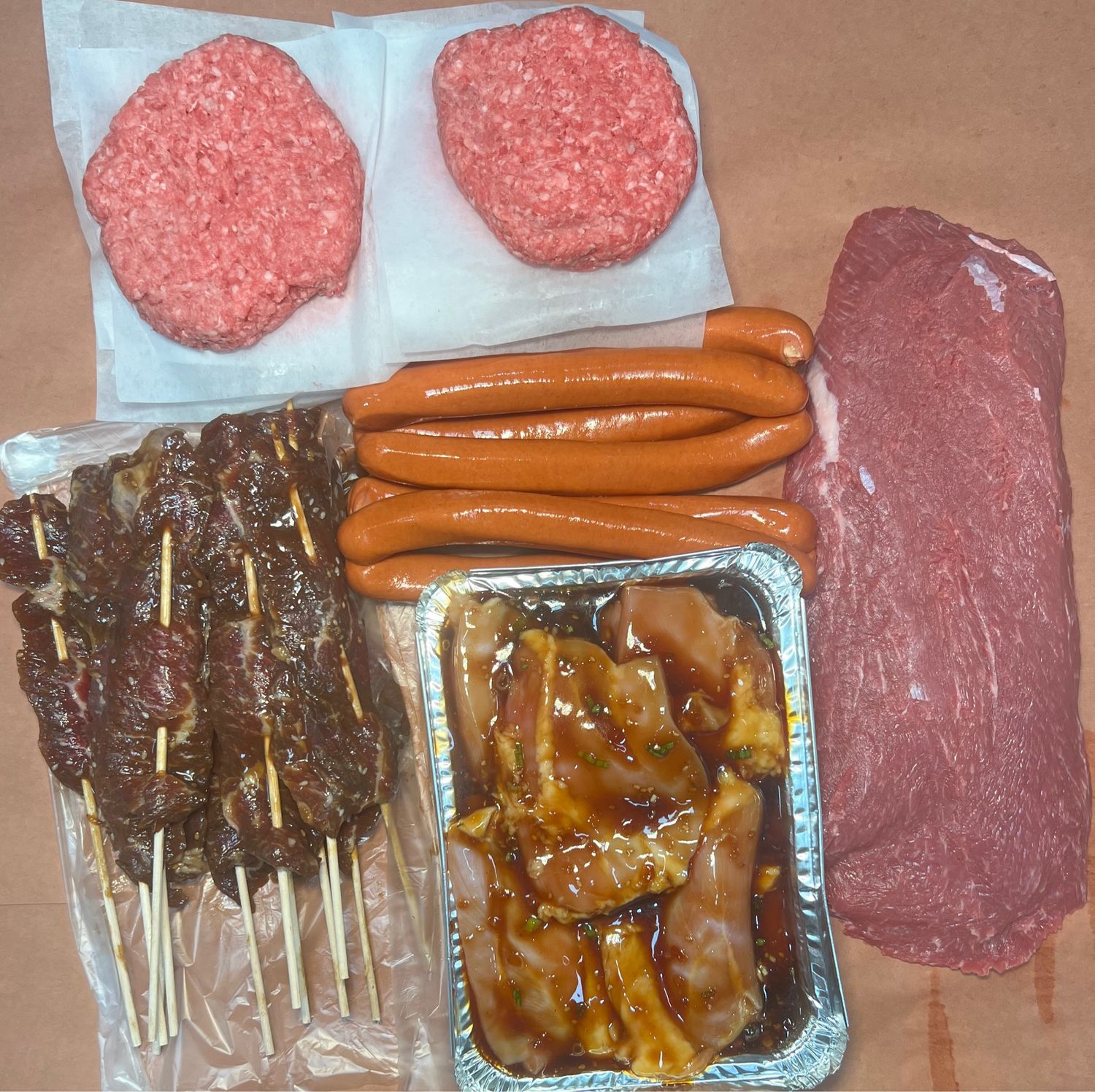
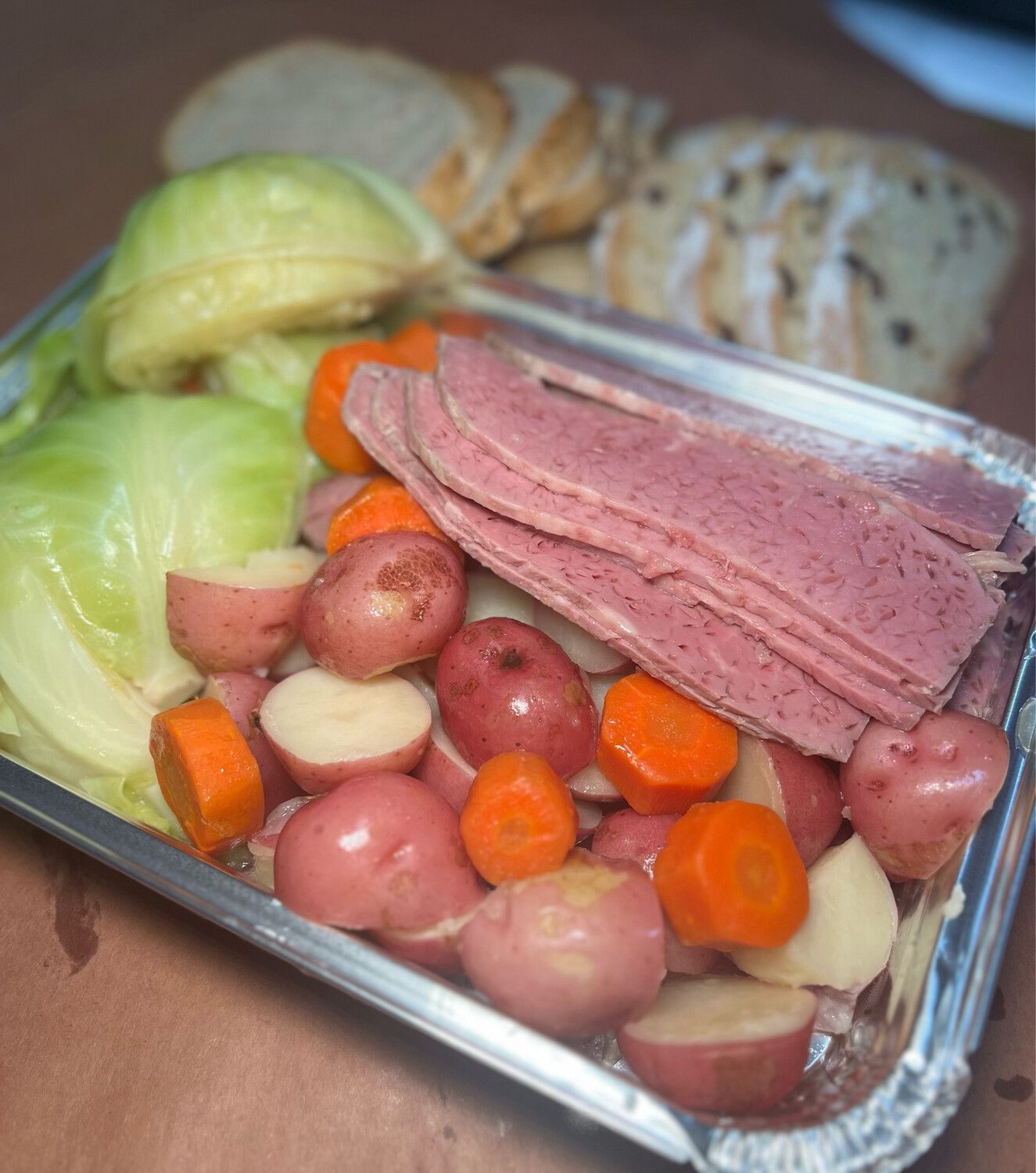
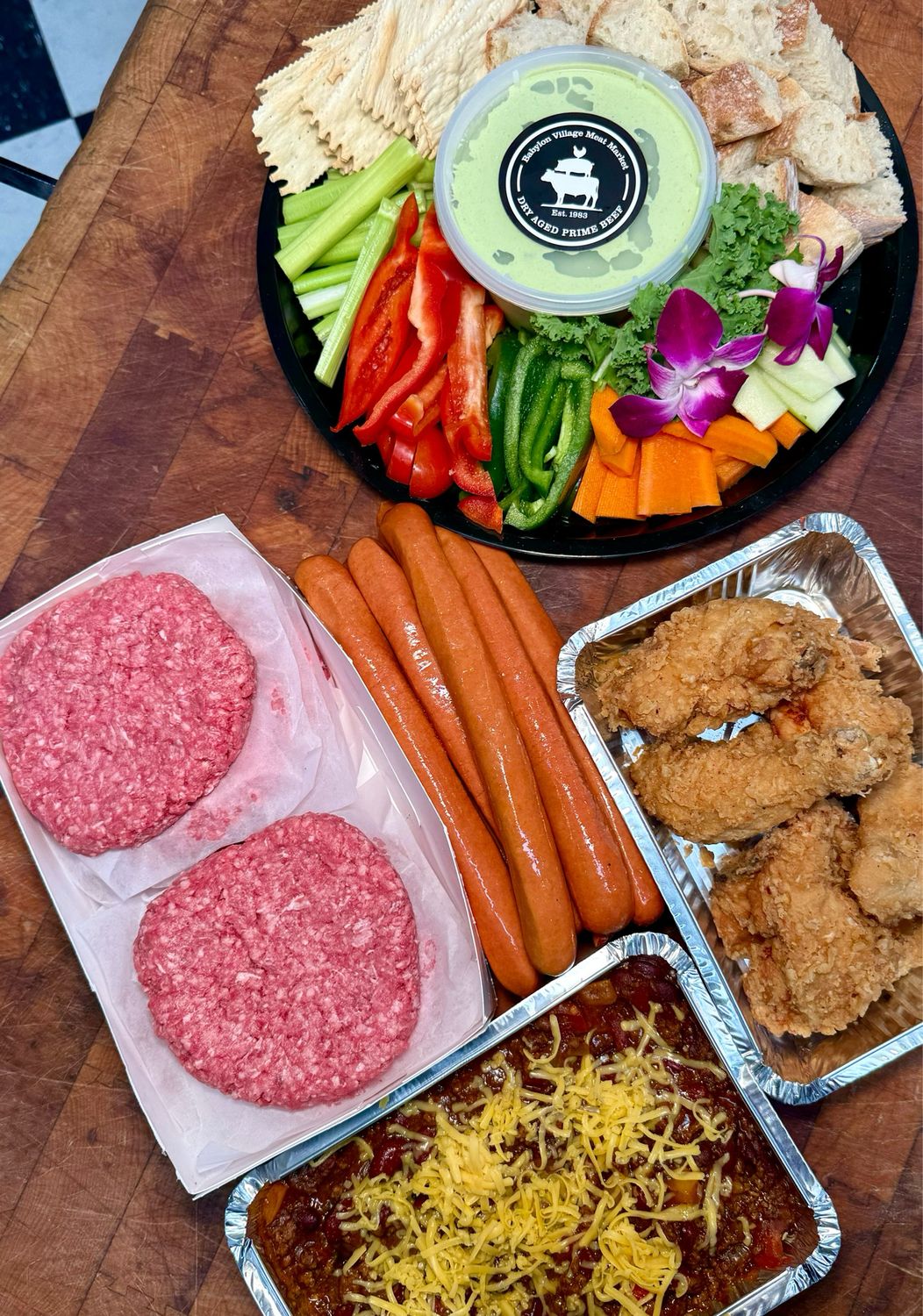
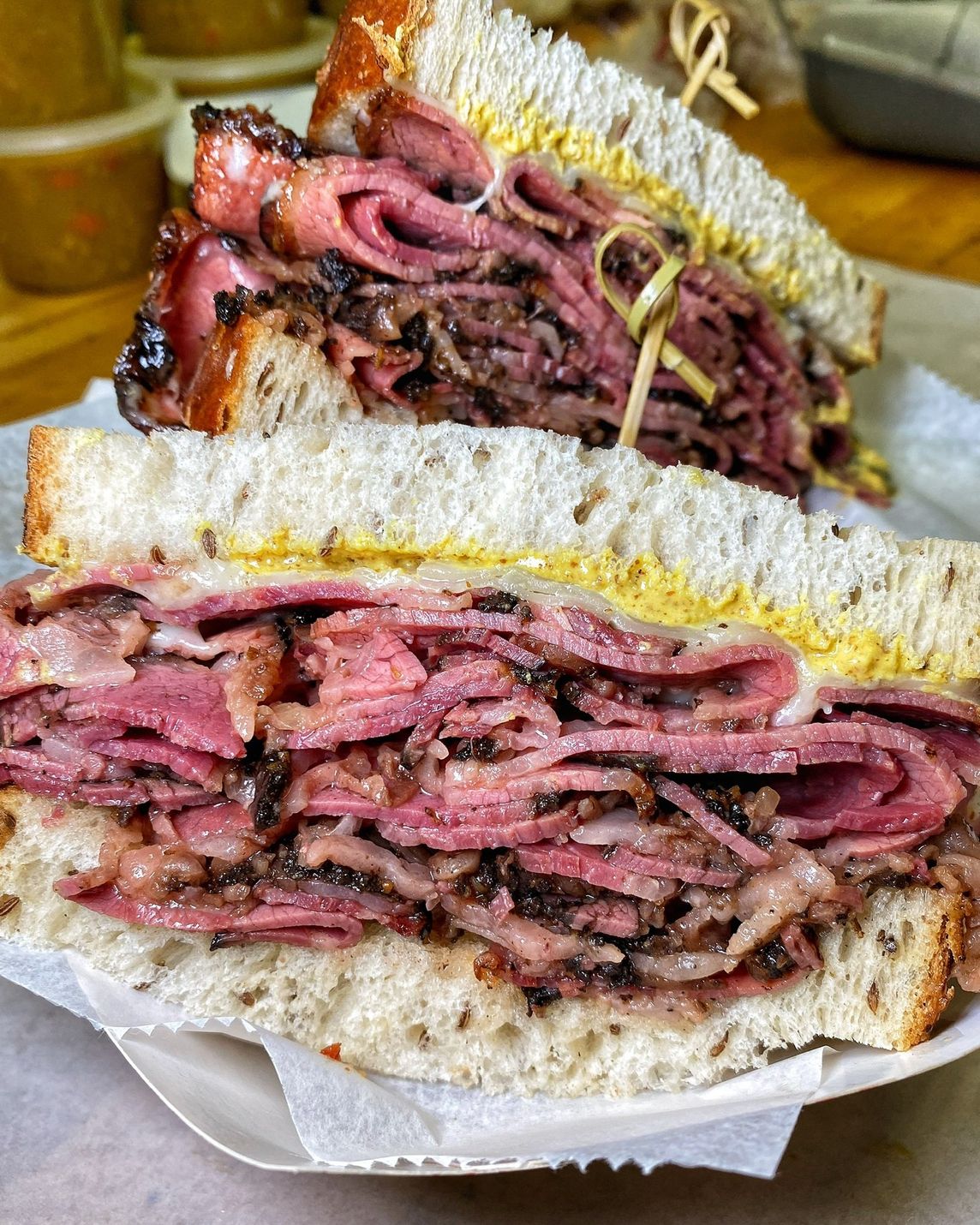
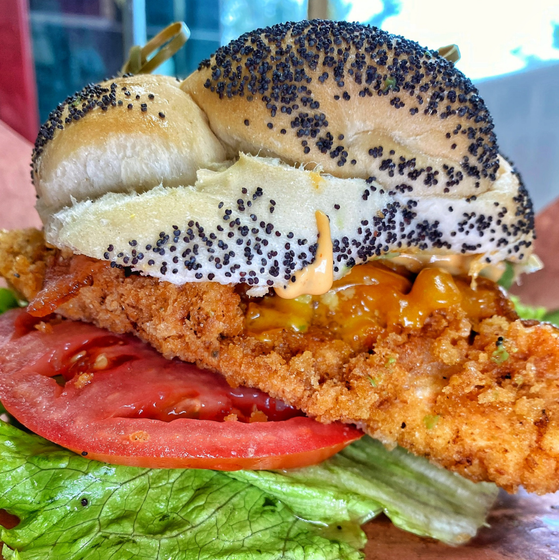
Something for every occasion. Feeding the whole neighborhood? Hosting a dinner or quick cook out? Need meals for the week? Our greatest hits collection has go something for you. Family dinners, football specials, cold cuts for the week, grill packages, and much more.











From Our Family
TO YOURS
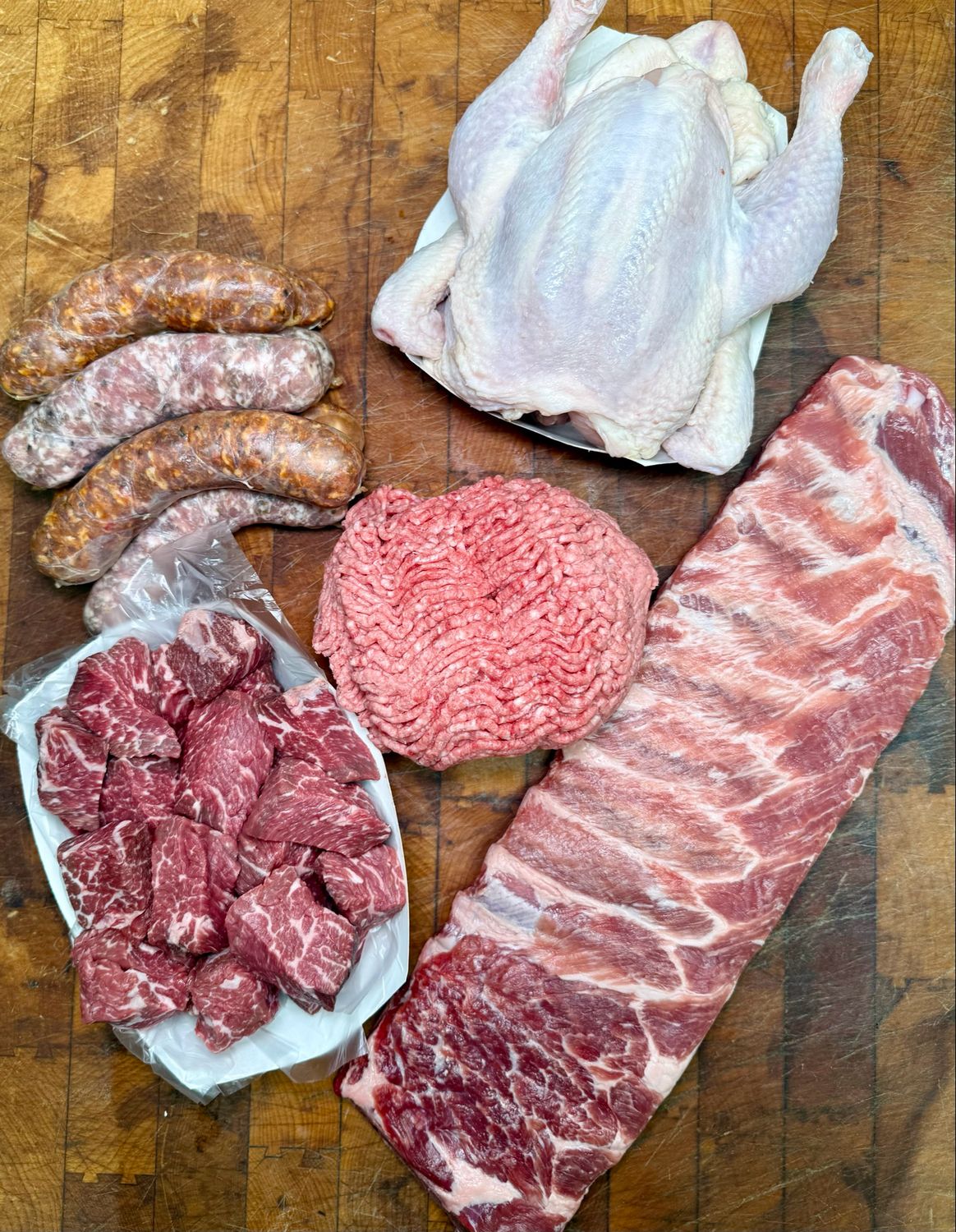
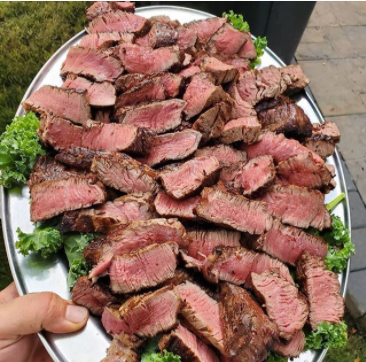
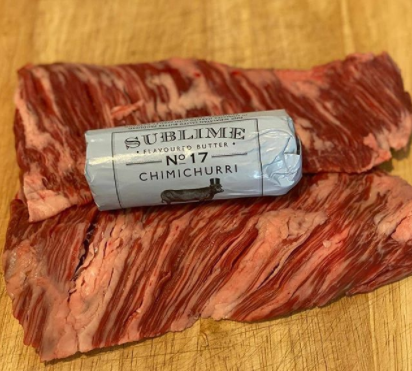
Established in 1983, Babylon Village Meat Market is a family owned & operated business run by Lenny and Barbara Popp. We're a full-service meat shop that sells freshly made food. We prepare all meat & aged prime beef in our shop. You can contact us for catering services at reasonable rates.
Follow Us
ON INSTAGRAM



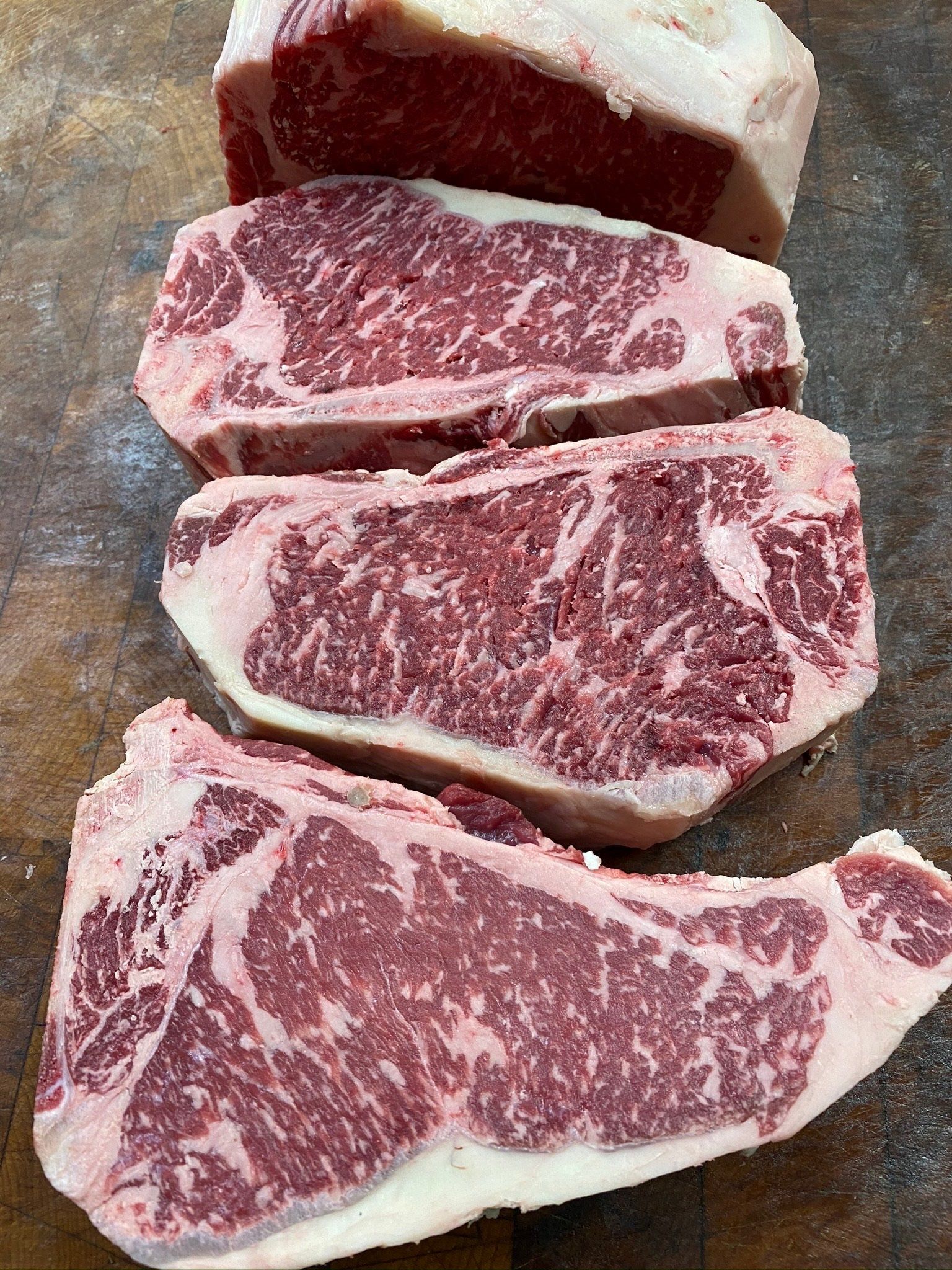
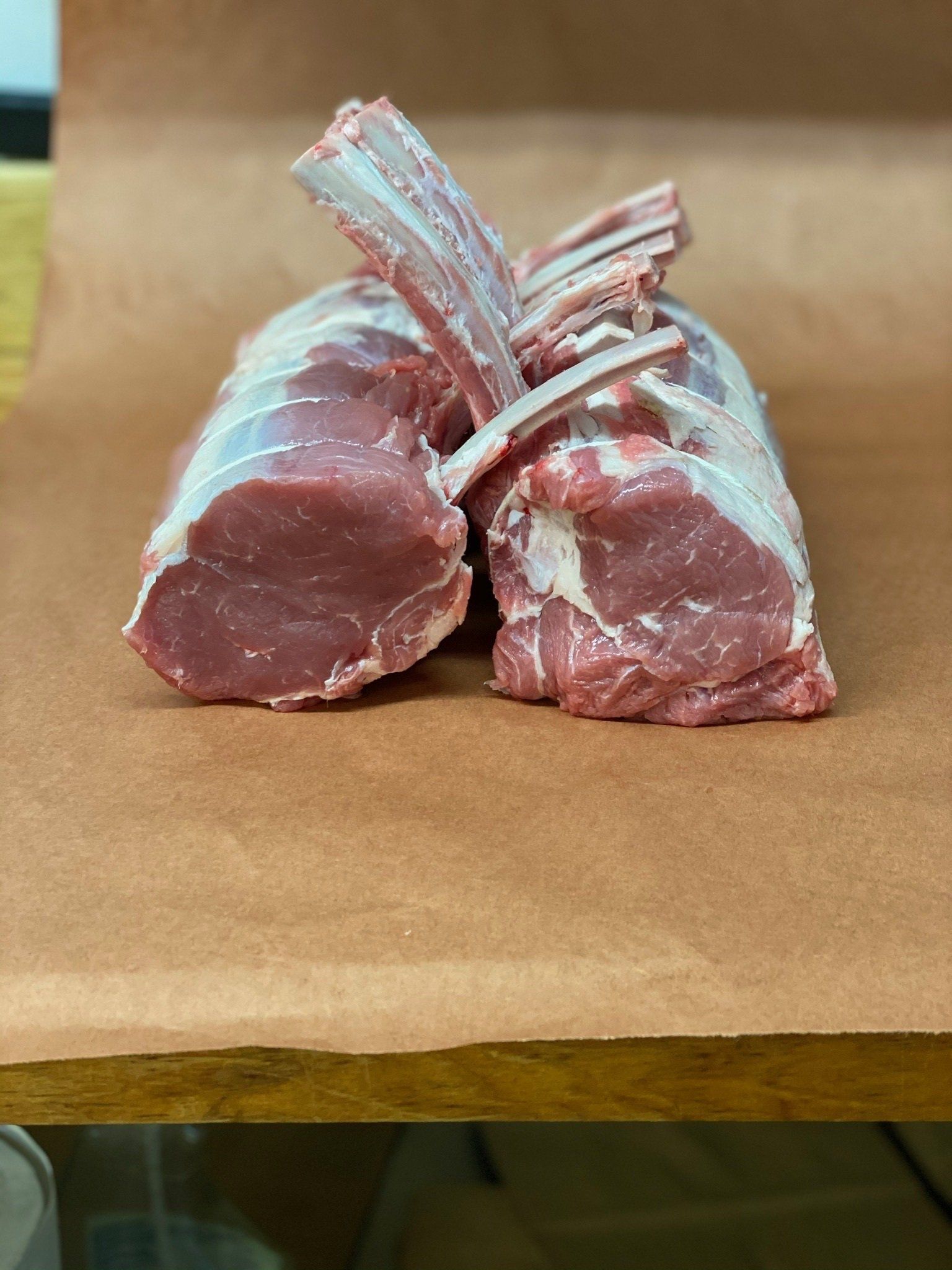
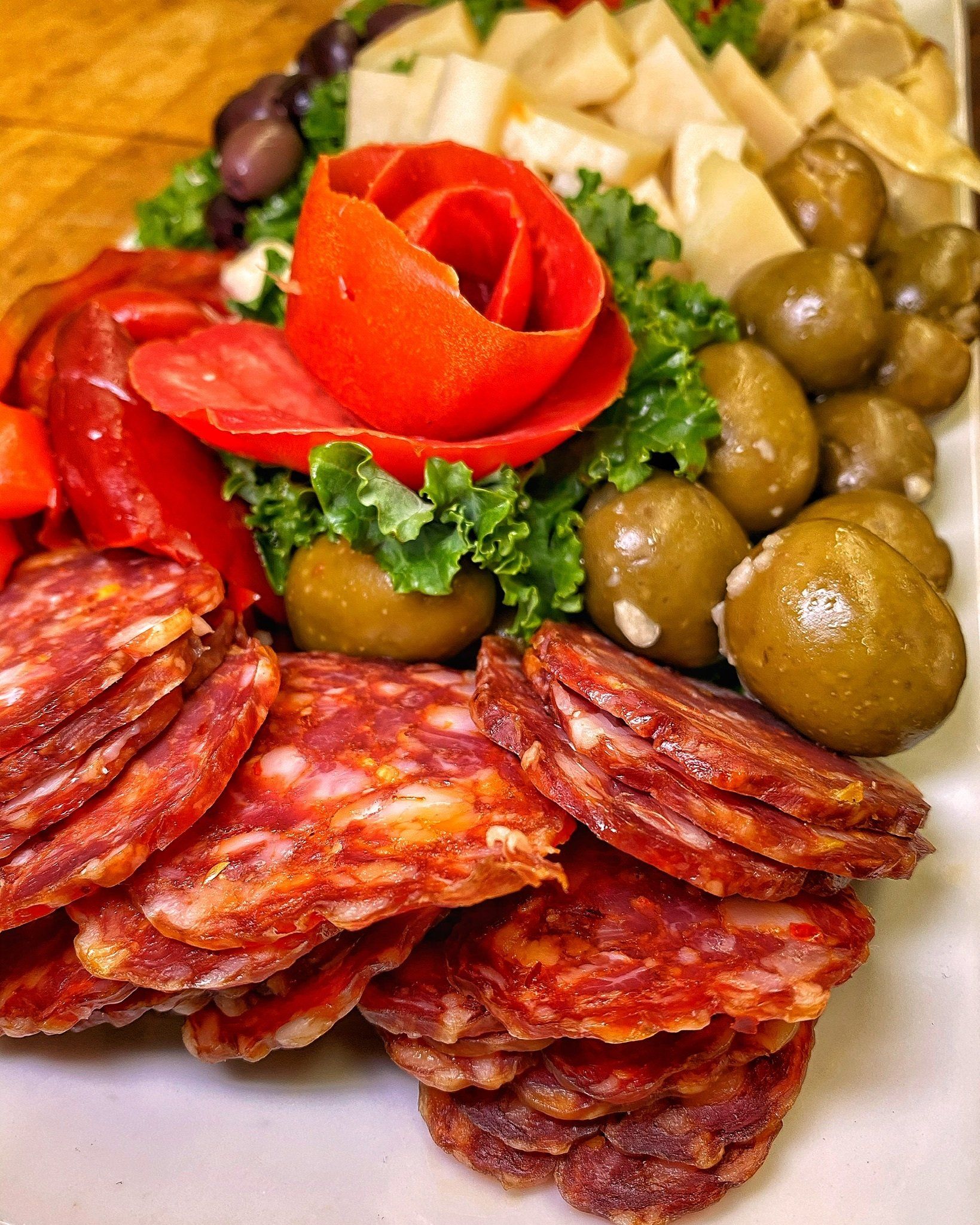
Anything you need from
THE BUTCHER SHOP

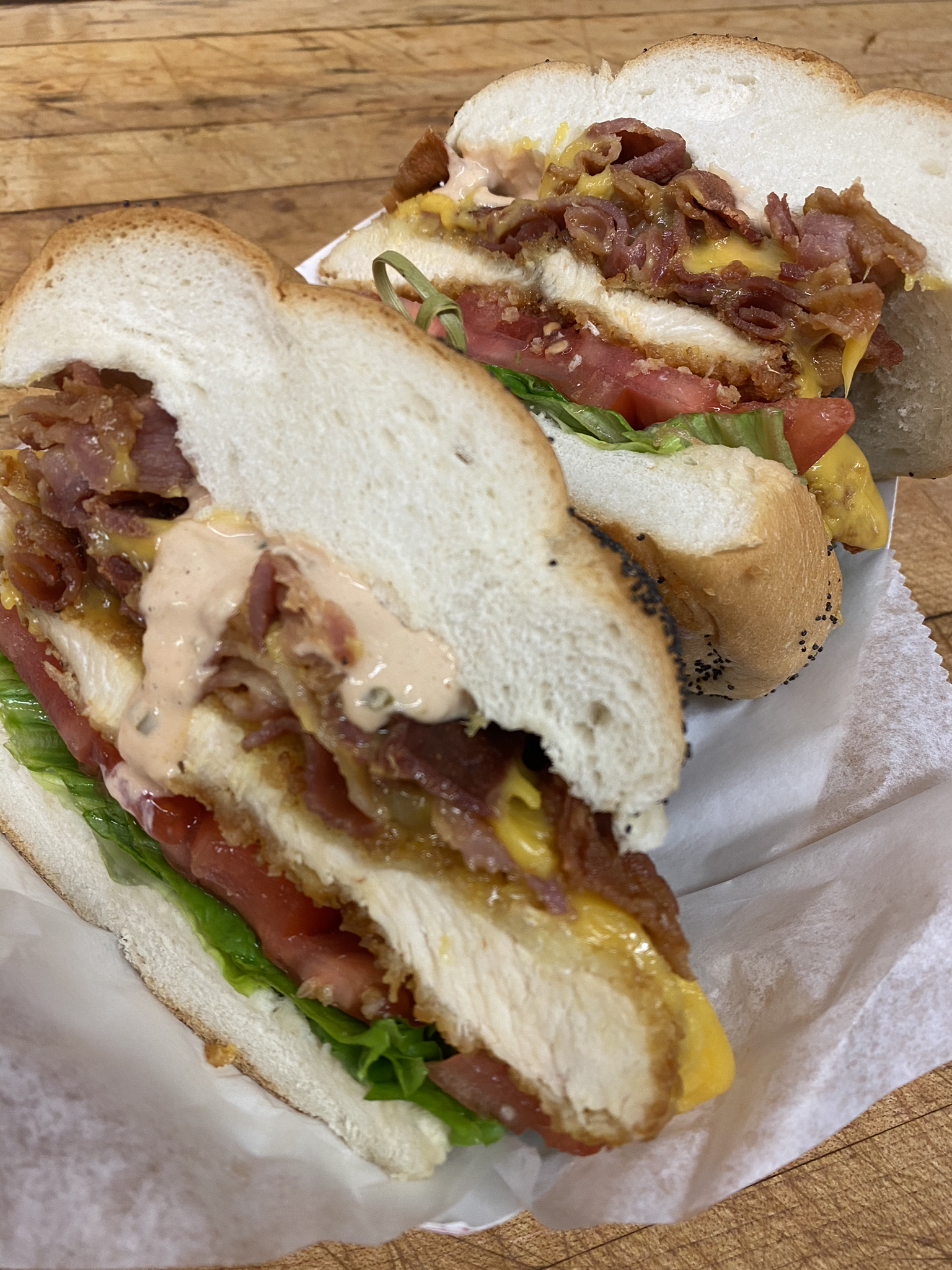
And everything you want from
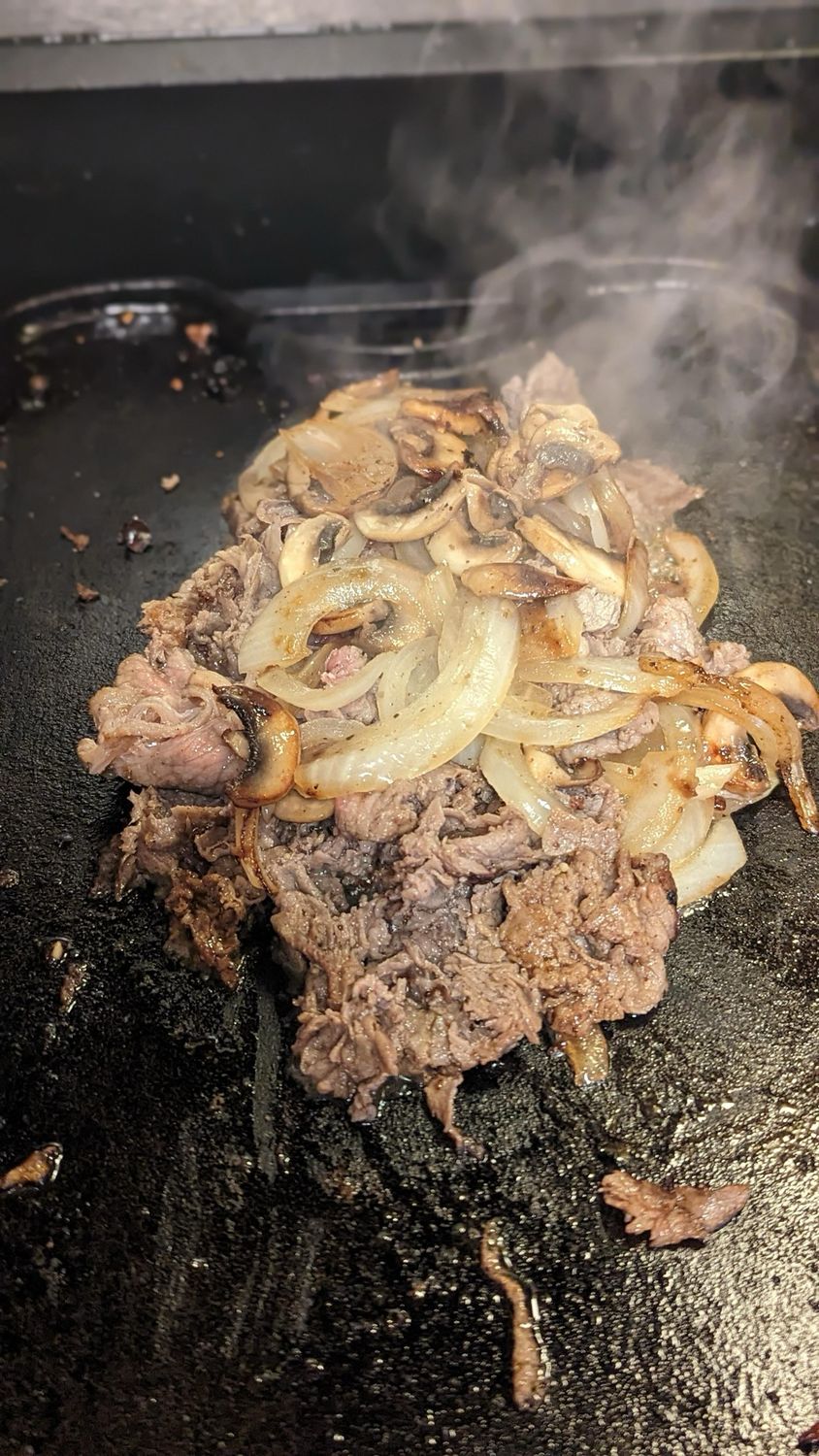
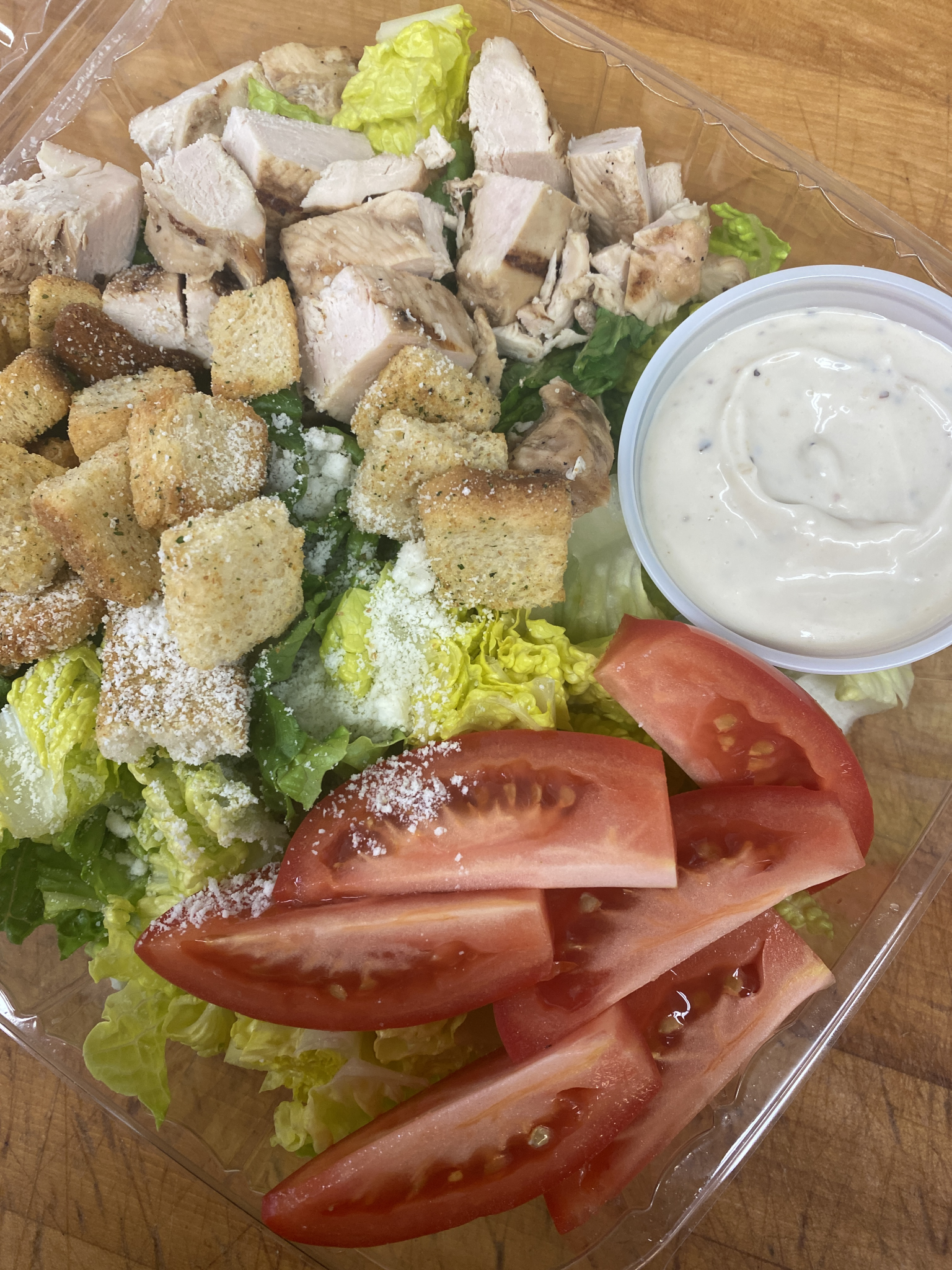
THE LUNCH COUNTER


Our meat is
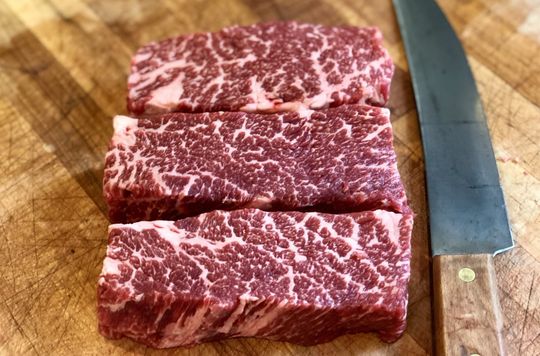
100% Prime
COMING SOON: LivE PDF Menus.
Because we supply only the freshest food and meats, subject to market availability our menu regularly changes. So for the most up to the minute pricing we highly encourage you to place your order online or give us a call.
However, we also know some of our customers love a printable menu (PDF). To accommodate this preference we are developing a "live" PDF.
Welcome to the Market Place
FAMILY DINNER
PREPARED FOR YOU!
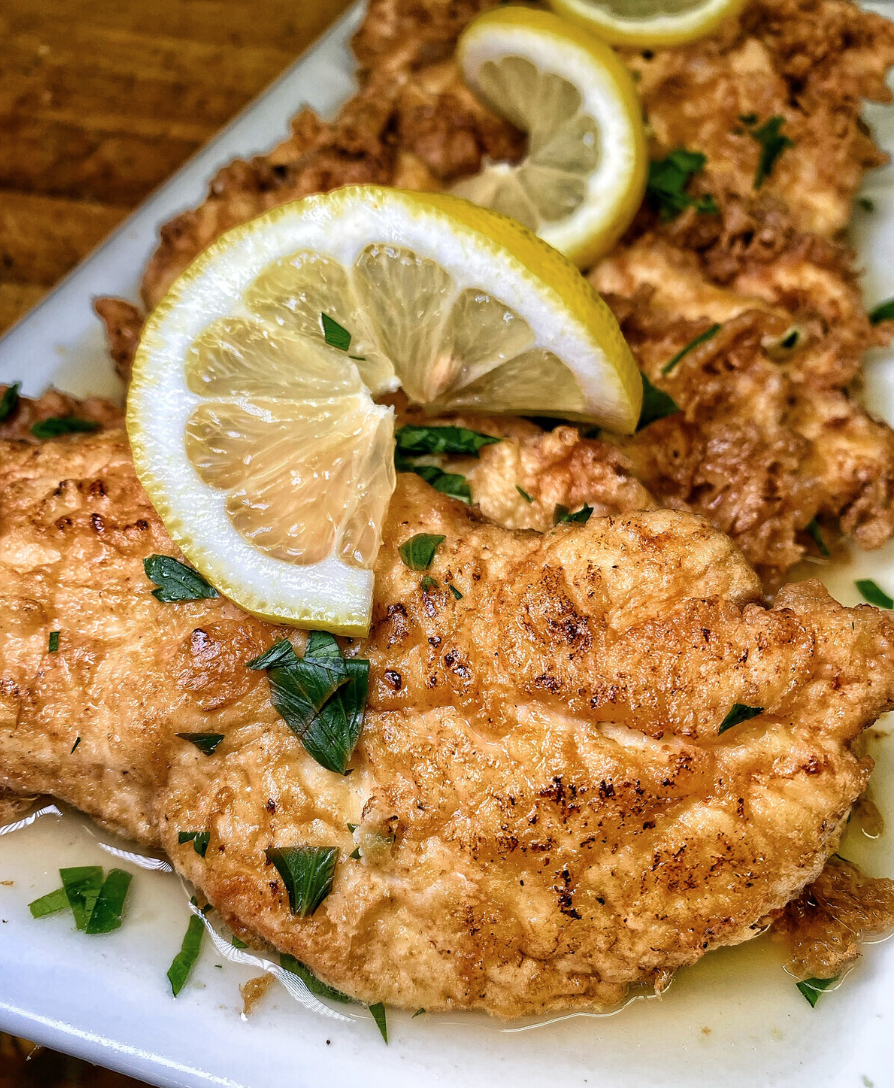
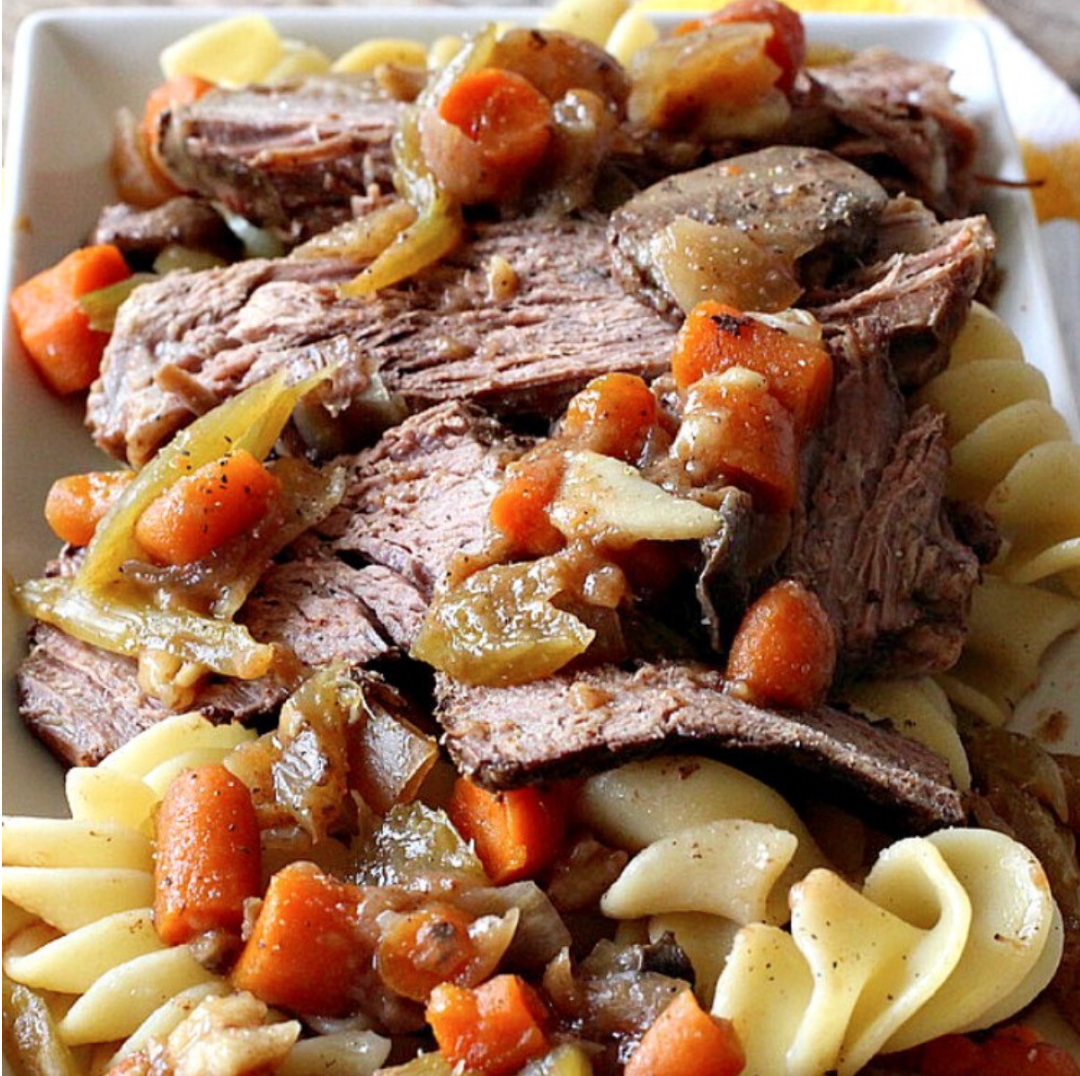
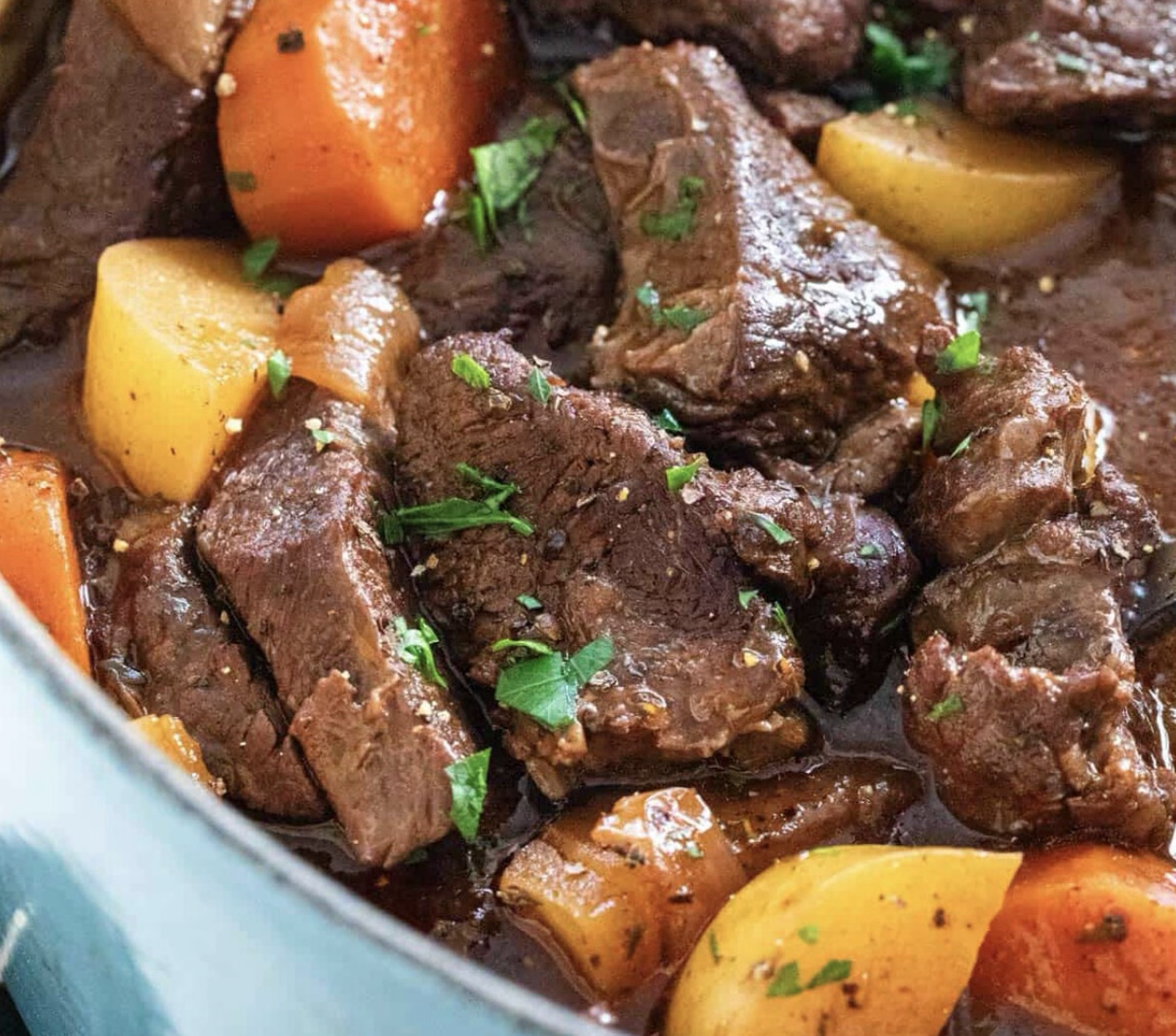
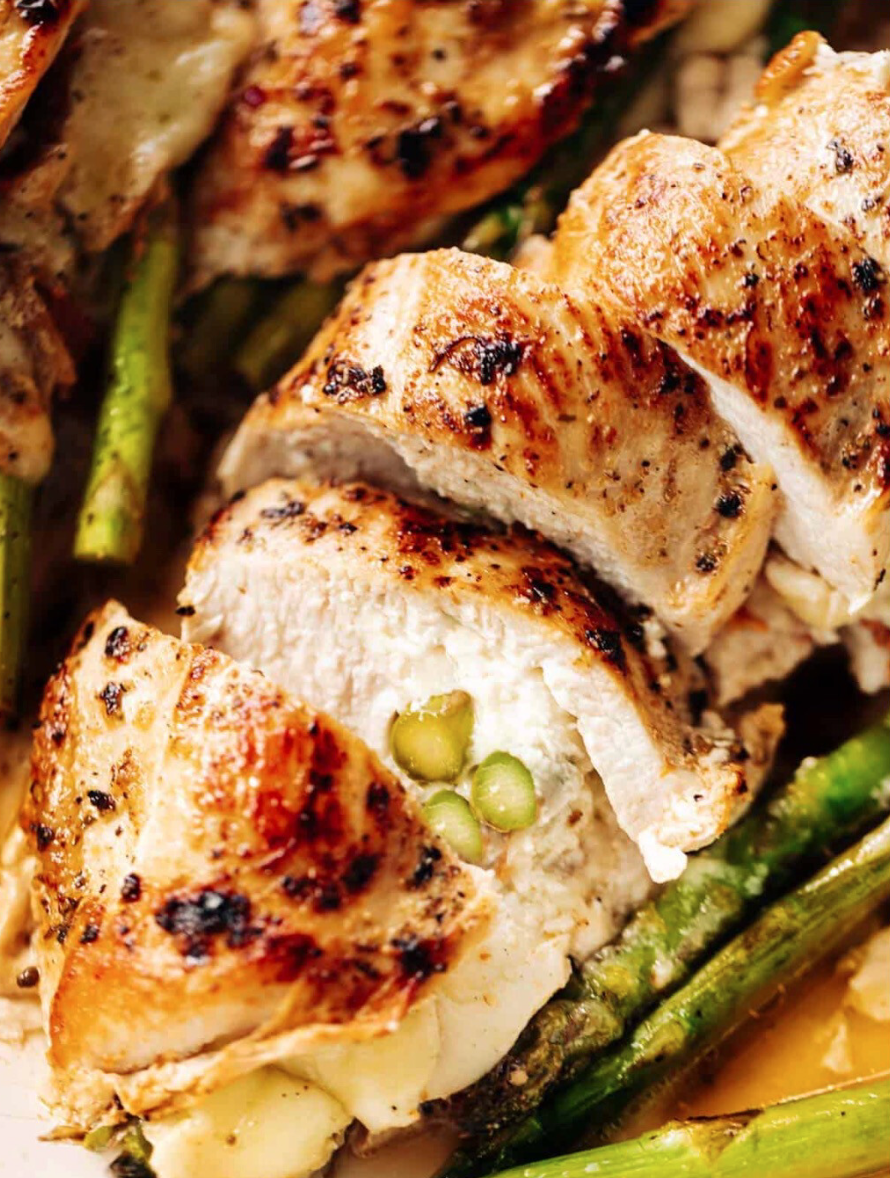
In addition to the finest beef, poultry, pork, chicken at the butcher shop and lunch in-store; we are proud to cook select high-demand, made-to-order family dinners just for you.